

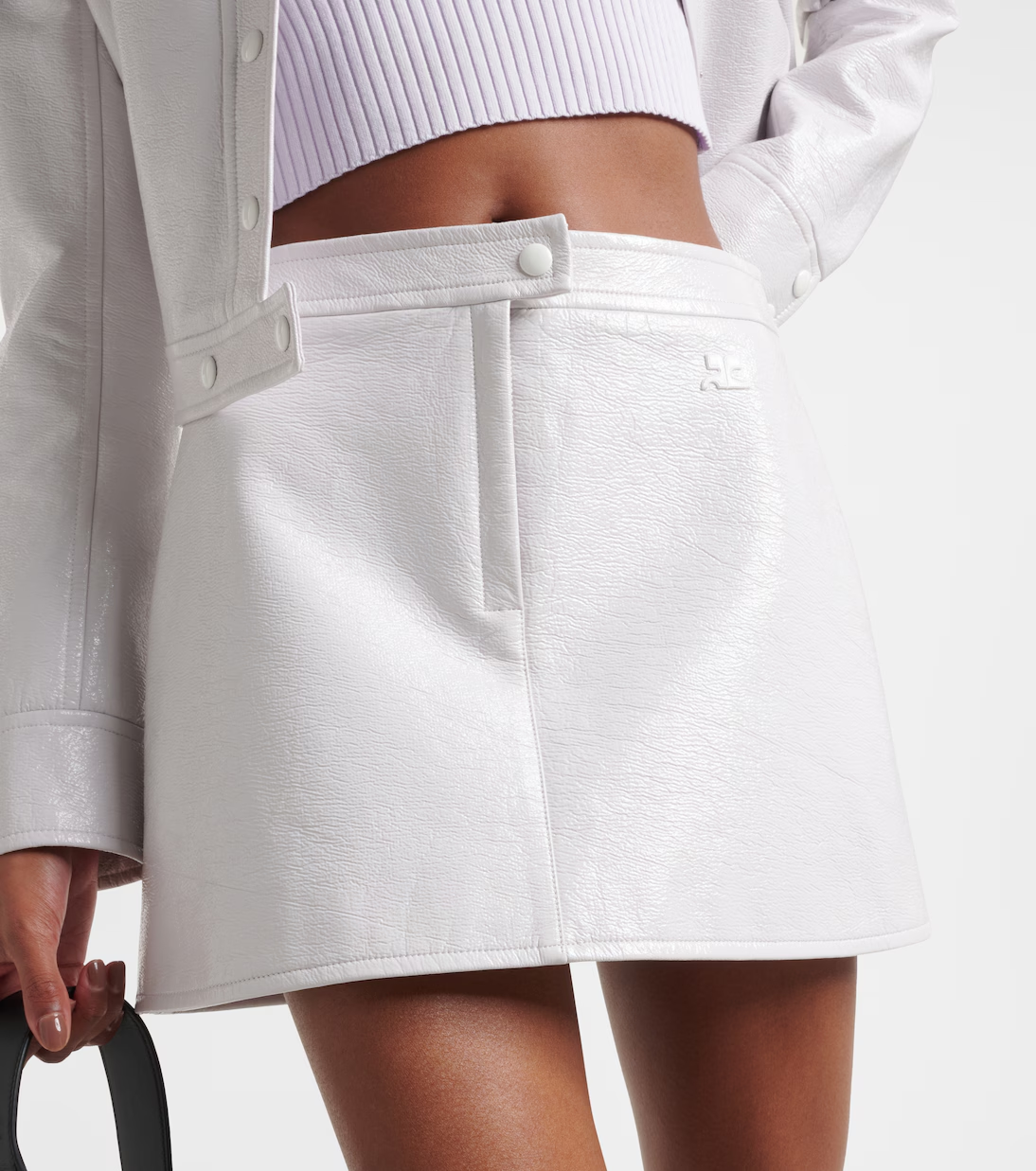
Discover how Mary Quant, a groundbreaking dress designer, revolutionized fashion by creating the iconic mini skirt. Credited with inventing this daring piece and coining the term ‘mini,’ Quant’s designs in the 1960s symbolized a cultural shift towards freedom and empowerment. Her bold philosophy challenged conventions, promoting self-expression through fashion. Models like Twiggy and Jean Shrimpton brought her innovative creations to life, leaving a lasting impact on contemporary style. Explore Quant’s legacy and the ongoing influence of the mini skirt on global fashion trends. Uncover the in-depth story behind this iconic designer and her revolutionary creation.
The Origin of the Mini Skirt
The emergence of the mini skirt as a groundbreaking fashion statement can be attributed to the innovative designs of British fashion designer Mary Quant in the 1960s. Quant, often credited with inventing the mini skirt, revolutionized women’s fashion by introducing a bold style characterized by its short hemline. It was Quant who coined the term ‘mini’ and brought forth a new era of mod fashion and youthful designs through this iconic garment. Her boutique, Bazaar, played a pivotal role in promoting and popularizing the mini skirt, making it a must-have item for fashion-forward individuals of the time.
Quant’s mini skirt symbolized more than just a change in hemline; it represented a paradigm shift, signaling freedom from traditional women’s fashion norms and sparking a cultural revolution. By daring to challenge conventions and embrace innovation, Mary Quant not only transformed the fashion industry but also empowered women to express themselves boldly and unapologetically through their clothing choices.
Mary Quant’s Innovative Designs
Mary Quant’s pioneering designs not only redefined the fashion landscape of the 1960s but also set a new standard for daring and innovative style choices. Quant’s contribution to fashion was revolutionary, introducing mod style and pushing boundaries with her avant-garde creations. Her designs, such as pleated miniskirts, shift dresses, and Peter-Pan collar shirts, embodied a sense of youthful rebellion and freedom that resonated with a generation seeking change.
| Fashion Designers | Quant’s Contribution to Fashion | Impact on Style |
|---|---|---|
| Mary Quant | Introduced mod style and popularized short hemlines | Redefined fashion norms |
| Twiggy | Iconic model who showcased Quant’s designs | Symbolized the era’s youth culture |
| Jean Shrimpton | Wore Quant’s creations, elevating their status | Embodied the spirit of Quant’s designs |
Quant’s philosophy of challenging conventions and promoting self-expression through clothing transcended mere fashion; it became a statement of empowerment and liberation. Her mantra, “Good taste is death, and Vulgarity is life,” encapsulates her bold approach to design, solidifying her as a trailblazer in the fashion industry.
Mini Skirt Revolution
You can explore the origins of the mini skirt revolution, tracing back to Mary Quant’s groundbreaking designs in the 1960s.
This fashion movement continues to have a significant impact today, influencing modern clothing trends and empowering women to embrace their individuality.
Understanding the timeline of the mini skirt revolution allows for a deeper appreciation of its cultural significance and enduring legacy in the world of fashion.
Mini Skirt Origins
Revolutionizing the fashion scene in the 1960s, the mini skirt, credited to designer Mary Quant, shattered traditional clothing norms with its daring and liberating hemlines. Mary Quant’s innovative design not only sparked a fashion revolution but also symbolized a cultural shift towards freedom, youth culture, and female empowerment.
The mini skirt became an emblem of rebellion and liberation, challenging societal expectations and empowering women to embrace their individuality. Quant’s vision paved the way for a new era of fashion and self-expression, where hemlines rose, and boundaries were pushed.
The origins of the mini skirt lie in Quant’s bold creativity, which continues to influence contemporary fashion by celebrating daring designs and empowering women to break free from conventional norms.
Fashion Impact Today
The enduring legacy of the mini skirt in today’s fashion landscape signifies a profound cultural shift towards daring self-expression and empowerment. The British-born trend continues to shape the fashion industry, with London being a hub for cutting-edge designs and innovative styles.
Here are four ways the mini skirt revolution has impacted contemporary fashion trends:
- Runways: Mini skirts are a staple in London Fashion Week, showcasing bold and edgy interpretations of this timeless piece.
- Street Style: British fashionistas often incorporate mini skirts into their everyday looks, mixing vintage styles with modern flair.
- Retail Stores: Many British brands draw inspiration from the mini skirt revolution, offering a wide range of options for fashion-forward individuals.
- Global Influence: The British influence on fashion extends worldwide, with the mini skirt remaining a symbol of empowerment and self-expression.
Cultural Influence Timeline
The evolution of fashion trends following the mini skirt revolution showcases a dynamic timeline of cultural influence and societal shifts inspired by daring self-expression and empowerment.
British fashion designer Mary Quant’s groundbreaking introduction of the iconic miniskirt in the 1960s marked a turning point in fashion history. Quant’s design not only challenged traditional fashion norms but also became a symbol of female liberation and cultural change. The mini skirt quickly gained popularity, symbolizing youth movements and rebellion, ushering in an era of newfound freedom and self-expression.
Despite facing criticism for perceived objectification, the miniskirt also emerged as a powerful feminist symbol. Quant’s innovative design and marketing strategies at her Bazaar boutique in London played a crucial role in popularizing this revolutionary garment.

Iconic Mini Skirt Creation
Mary Quant’s creation of the iconic mini skirt in the 1960s marked a pivotal moment in fashion history.
The mini skirt challenged traditional norms by introducing a daring and youthful style that resonated with women seeking liberation.
Its impact extended beyond fashion, symbolizing a cultural shift towards female empowerment and serving as a lasting emblem of rebellion and freedom.
Origins of Mini Skirt
In the fashion landscape of the 1960s, a revolutionary designer by the name of Mary Quant made a lasting impact with her creation of the iconic mini skirt. Quant opened a new chapter in fashion with her innovative design that challenged traditional norms.
This groundbreaking garment quickly became a symbol of female liberation and empowerment, marking a significant shift in the fashion industry. The mini skirt symbolized a newfound sense of freedom and self-expression for women, breaking away from the constraints of conservative dressing.
Quant’s forward-thinking approach not only revolutionized fashion but also became a defining element of youth culture and rebellion during that era.
Impact on Fashion
Quant’s creation of the iconic mini skirt in the 1960s reshaped the fashion industry, sparking a cultural revolution that celebrated individuality and youth rebellion. Mary Quant’s innovative design symbolized liberation and empowerment for women, challenging traditional clothing norms of the time.
The mini skirt’s profound impact on fashion was felt through the decades, influencing trends and paving the way for modern expressions of style. Quant’s unique vision not only cemented her legacy as a pioneering designer but also solidified the mini skirt as a timeless fashion staple.
The Quants’ creation became a symbol of freedom and self-expression, resonating with generations and leaving an indelible mark on the fashion landscape. RIP Dame Mary Quant, your legacy lives on in every mini skirt worn with confidence and flair.
Cultural Significance
The cultural impact of the iconic mini skirt creation by Mary Quant in the 1960s transcended fashion boundaries, sparking a revolution in self-expression and empowerment for women worldwide.
This invention of the mini skirt represented the joyful freedom of breaking away from traditional dress norms. The short hemline and youthful style of Quant’s design symbolized liberation, encouraging women to embrace their individuality and challenge societal expectations.
The mini skirt quickly became a signature of the mod fashion movement, symbolizing a new era of confidence and empowerment for women. Its cultural significance paved the way for a shift towards more progressive and inclusive expressions of femininity, leaving a lasting impact on fashion and society as a whole.
Mary Quant’s Fashion Legacy
Mary Quant’s fashion legacy revolutionized the industry by pioneering the iconic miniskirt and challenging traditional women’s fashion norms. Credited with inventing and popularizing the miniskirt in the 1960s, Quant became a role model for young women seeking to break free from the constraints of conservative dressing.
Her designs, such as pleated miniskirts, shift dresses, and Peter-Pan collar shirts, represented a departure from the subdued fashion of the 1950s, ushering in an era of bold, youthful style. Quant’s impact extended globally, with models like Twiggy and Jean Shrimpton showcasing her creations on runways and in magazines, further solidifying her influence in the fashion world.
Impact of Quant’s Mini Skirt
Revolutionizing women’s fashion in the 1960s, the creation of the mini skirt by Mary Quant signified a pivotal shift towards freedom from traditional clothing norms and empowerment for women. Quant’s contribution to fashion had a profound impact, shaping not only wardrobes but also societal perceptions and cultural movements. Here’s how Quant’s mini skirt made waves:
- New Role Model: Mary Quant became a new role model for women, challenging the status quo and inspiring confidence through her innovative designs.
- Cultural Statement: The mini skirt was more than just a piece of clothing; it became a powerful cultural statement, reflecting the changing desires and aspirations of women at the time.
- Challenging Expectations: Wearers of Quant’s mini skirt boldly challenged societal expectations, embracing individuality and self-expression through their fashion choices.
- Clothing as a Movement: Quant’s mini skirt showcased the transformative role of clothing in cultural movements, highlighting how fashion can embody collective values and ideologies.
Quant’s mini skirt not only changed hemlines but also paved the way for a new era of empowerment and self-expression through fashion.
Evolution of Mini Skirt Fashion
Pioneering a trend that defied convention, the mini skirt swiftly became a symbol of liberation and self-expression in the fashion world. British designer Mary Quant’s innovative approach in the 1960s defined the London scene with her daring creations.
The mini skirt, with its shorter hemlines, offered a new perspective on fashion, catering to the evolving tastes of a younger generation eager for change. Quant’s designs not only revolutionized hemlines but also revolutionized societal norms, offering women a newfound sense of freedom and self-expression.
The mini skirt became a powerful statement piece, symbolizing female empowerment and challenging traditional gender roles. Its popularity soared as it captured the spirit of the times, representing a break from the past and a step towards a more liberated future.
The evolution of mini skirt fashion under Quant’s influence marked a significant shift in the industry, setting the stage for a new era of bold, boundary-pushing designs.
Quant’s Mini Skirt Influence
Mary Quant’s influence on the fashion world was revolutionary, as she broke away from the traditional styles of the 1950s with her daring miniskirt designs. Her creations not only reshaped the way women dressed but also became timeless staples in global fashion.
Quant’s legacy lies in her ability to challenge norms and create a lasting impact on the industry.
Quant’s Fashion Revolution
Influencing the landscape of fashion in the 1960s, Mary Quant’s daring creations challenged the traditional garments of the previous decade. Her revolutionary designs reshaped the industry with the introduction of the miniskirt. Here’s a glimpse into Quant’s fashion revolution:
- Pleated Miniskirts: Quant’s pleated miniskirts defied conventions, offering a shorter hemline that became a symbol of youthful rebellion.
- Shift Dresses: Her shift dresses revolutionized women’s wear by prioritizing comfort and freedom of movement without compromising on style.
- Peter-Pan Collar Shirts: Quant’s Peter-Pan collar shirts added a touch of whimsy to her collections, blending playfulness with sophistication.
- Iconic Models: Models like Twiggy and Jean Shrimpton brought Quant’s designs to life, embodying the spirit of the swinging ’60s with their effortless grace.
Mini Skirt Legacy
Quant’s impact on fashion transcends her era, particularly evident through the enduring influence of her iconic miniskirt designs that continue to inspire contemporary trends. Mary Quant’s innovative approach to design not only revolutionized the fashion industry but also left a lasting legacy that is still celebrated today. The Victoria and Albert Museum in London showcases Quant’s groundbreaking miniskirt designs, highlighting their significance in the history of fashion. Notably, Quant’s influence extended beyond her own designs, inspiring renowned designers like Yves Saint Laurent to experiment with shorter hemlines and modern silhouettes. The miniskirt’s legacy is a testament to Quant’s fearless creativity and ability to challenge traditional fashion norms, making her a pioneer in shaping the way we perceive and wear clothing.
| Victoria and Albert Museum | Yves Saint Laurent | Mary Quant’s Legacy |
|---|---|---|
| Showcases Quant’s designs | Inspired by her work | Challenges fashion norms |
Mini Skirt Popularity Rise
The surge in popularity of the mini skirt during the 1960s marked a pivotal moment in the evolution of women’s fashion, ushering in a new era of liberation and self-expression. This rise wasn’t merely a fashion trend but a cultural shift, with the mini skirt becoming a symbol of freedom and rebellion.
- Youthful Rebellion: The mini skirt represented a break from traditional conservative styles, embodying the youthful rebellion that characterized the 1960s fashion scene.
- Female Empowerment: Women embraced the mini skirt as a form of empowerment, challenging societal norms and asserting their right to fashion choices that reflected their individuality.
- Iconic Symbol: The mini skirt quickly became an iconic symbol of the Swinging Sixties, synonymous with the carefree spirit and bold attitude of the era.
- Fashion Revolution: Mary Quant’s innovative design sparked a revolution in women’s fashion, reshaping hemlines and setting the stage for a new wave of sartorial expression.
Mary Quant’s Fashion Vision
Mary Quant’s fashion vision not only revolutionized the industry but also served as a catalyst for a profound cultural shift in women’s fashion during the 1960s. As a British designer, Quant challenged societal norms by popularizing the mini skirt, a garment that symbolized liberation and youthfulness. Her avant-garde approach to fashion went beyond just creating clothing; it represented a rebellion against the conservative styles of the time. By introducing the mini skirt to the mainstream, Quant empowered women to embrace their bodies and reject traditional modesty standards.
Quant’s design philosophy was rooted in defying conventions and pushing the boundaries of traditional fashion. She incorporated elements like pleats, shift dresses, and Peter-Pan collar shirts into her creations, establishing a unique aesthetic that resonated with the younger generation. This innovative spirit not only transformed the way women dressed but also influenced the global fashion scene. Quant’s impact extended to the United States, where she successfully launched her eponymous line and ventured into beauty products, solidifying her status as a trailblazer in the industry. Her mantra, ‘good taste is death, and vulgarity is life,’ encapsulated her commitment to using fashion as a vehicle for societal change.
Mini Skirt Design Revolution
Amidst the conservative fashion landscape of the 1960s, a daring and liberating trend emerged with the mini skirt design revolution. Mary Quant’s innovative approach to fashion challenged the status quo and reshaped the way women dressed. Here’s a closer look at how the mini skirt design revolutionized the fashion industry:
- Youthful Appeal: Quant infused the mini skirt with a youthful charm, offering a fresh and modern look that resonated with the younger generation.
- Breaking Tradition: The mini skirt design by Mary Quant broke away from the structured garments of the 1950s, introducing a sense of liberation and playfulness to women’s fashion.
- Pleats and Shift Dresses: Quant’s mini skirt designs featured elements like pleats and shift dresses, adding dynamic and versatile options to women’s wardrobes.
- Global Influence: Iconic models such as Twiggy and Jean Shrimpton helped showcase Quant’s mini skirt designs on an international stage, propelling the trend to global recognition.