

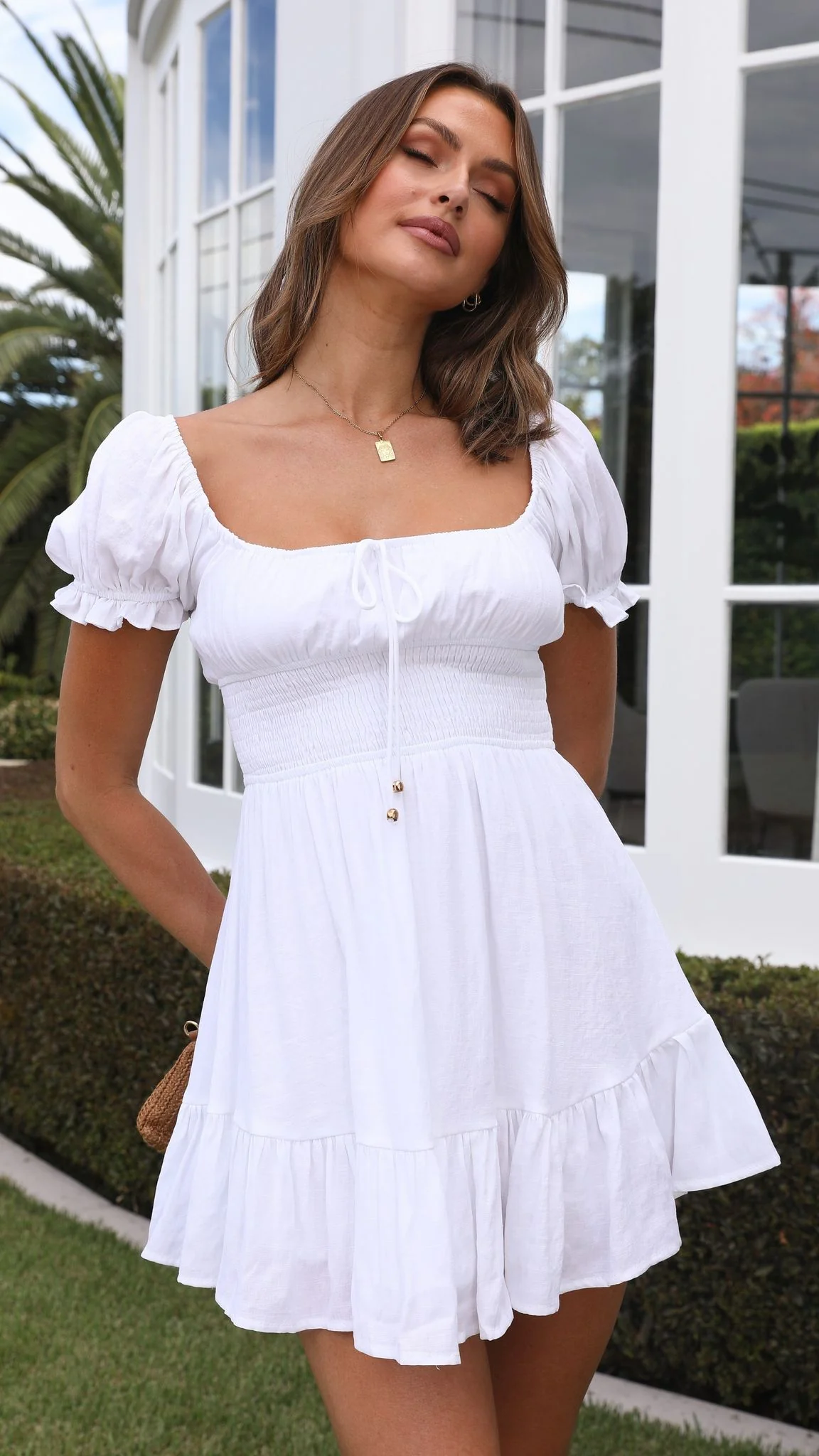
To craft a stylish mini dress, you’ll need about 2 to 2.5 yards of 45-inch wide fabric for a length of 30 inches or above. Shorter styles might require 1.5 to 2 yards. Sleeve length and skirt fullness influence the yardage, so consider those. Select fabric wisely based on its width and design elements. For a cost-effective option, opt for 60-inch wide fabric to reduce yardage. Ensure to adjust the amount based on your design preferences and specific style choices. This quick insight will help you begin your mini dress project with confidence and creativity.
Factors Influencing Fabric Yardage
When determining how many yards of fabric you’ll need for a mini dress, the style and design elements play a significant role in influencing the required fabric yardage. Calculating fabric yardage becomes more precise when considering the specific silhouette of the dress. A-line dresses generally require more fabric due to their flared shape, while bodycon styles hug the body, needing less material. The shift dress, with its straight lines, falls in between.
Additionally, factors like sleeve length, neckline variations, and hemline styles impact the overall yardage needed. Fabric width is another crucial aspect to consider, as wider fabric widths will require less yardage compared to narrower ones. When selecting the fabric for your mini dress, keep in mind pattern repeats, directional prints, and the type of fabric, as these elements can affect how much material you’ll need.
Mini Dress Style Considerations
When considering the style of your mini dress, remember that details like length, fabric type, and design elements play crucial roles in determining how much fabric you’ll need.
The length of the mini dress will impact the yardage required, while different styles such as bodycon, shift, or A-line will each demand varying amounts of fabric.
Keep in mind any additional features like ruffles or embellishments, as these can affect the overall fabric calculation for your mini dress.
Mini Dress Length
To craft a mini dress that perfectly complements your style, carefully consider the desired length, as it plays a crucial role in the overall look and feel of the garment.
For a mini dress length of around 30 inches or above, you’d typically need approximately 2 to 2.5 yards of fabric. If you prefer a shorter mini dress, around 1.5 to 2 yards of fabric may suffice, depending on the design elements.
Remember that factors like sleeve length, the fullness of the skirt, and any additional design details can impact the yardage required. When calculating yardage, take into account the fabric width to ensure you purchase the right amount for your project.
Mini dresses offer versatility, allowing you to adjust the fabric quantity based on your unique design preferences.
Fabric Type
Considering the fabric type is key when styling a mini dress to ensure the overall look aligns with your design vision and aesthetic preferences. When planning your sewing project, the amount of fabric needed can vary based on the fabric’s width and the specific style of the mini dress. Here are some essential points to keep in mind:
- Fabric Width: Wide fabric widths can impact the yardage required for your mini dress.
- Mini Dress Style: Different styles may necessitate varying amounts of fabric.
- Extra Details: Mini dresses with added features like ruffles or flounces might need more fabric than simpler designs.
- Accurate Estimation: Understanding the design and fit of your mini dress is crucial for estimating the correct amount of fabric.
Design Details
Exploring the intricate design details of your mini dress sets the stage for a truly captivating and personalized garment that reflects your individual style effortlessly. When considering the style of your mini dress, factors such as sleeve length, neckline, and embellishments can significantly impact the amount of fabric needed.
Simple designs with minimal details may require less fabric, while more elaborate styles can consume a greater yardage. Take into account the fabric width, pattern repeats, and directional prints when calculating the necessary yardage for your mini dress. Accurate body measurements and precise calculations are essential to ensure you have enough fabric for your project.
With your sewing machine ready, delve into designing a mini dress that suits your unique taste and showcases your creativity.
Sizing and Fabric Yardage
Determining the ideal amount of fabric for your mini dress involves considering both the size and style of the garment. When it comes to sizing and fabric yardage, there are a few key factors to keep in mind:
- Body Measurements: Your bust, waist, and hip size will impact how much fabric you need for your mini dress.
- Fabric Width: Standard fabric widths are around 45 inches, but wider fabrics may require less yardage due to their increased width.
- Design Elements: Consider any additional design elements like ruffles, flounces, or extra fullness as they’ll affect the overall fabric yardage needed.
- Pattern Considerations: Patterns with directional prints or nap fabrics may require extra yardage to ensure precise pattern matching and layout.
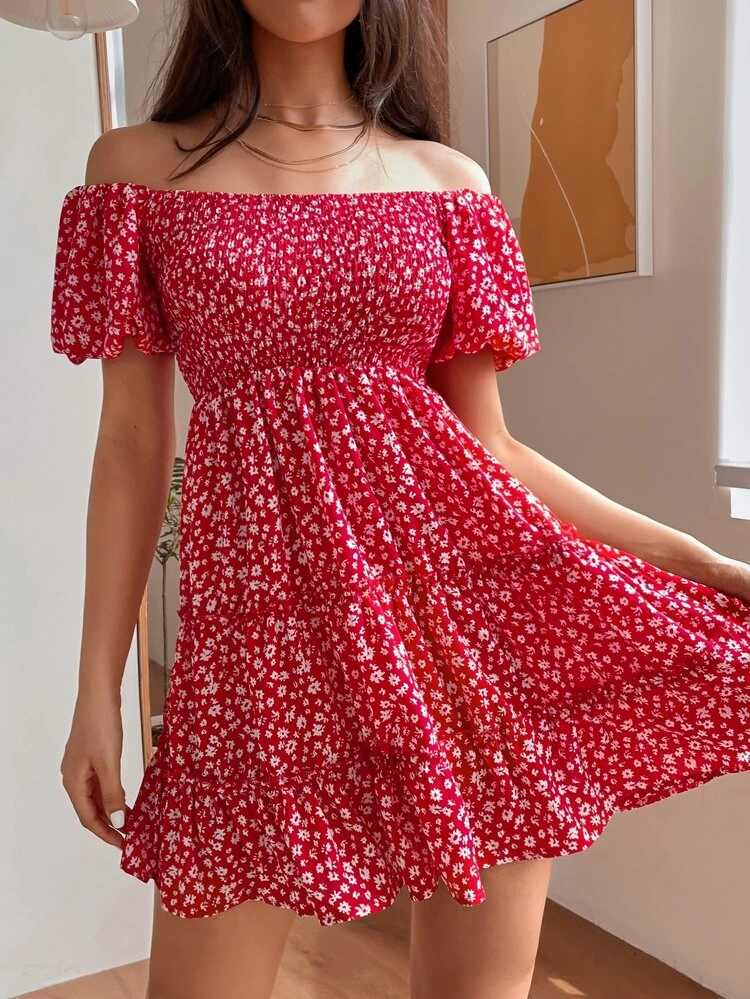
Calculating Yardage for Bodice
When determining the yardage for your mini dress bodice, consider key points like your bust measurement guide, pattern layout tips, and adjustments for different variations.
These factors play a crucial role in accurately estimating the fabric needed for your bodice creation.
Bust Measurement Guide
For a precise fit of your mini dress bodice, begin by measuring the fullest part of your bust. To calculate how much fabric you need and determine the approximate yardage requirements, follow these steps:
- Measure the fullest part of your bust accurately.
- Use this measurement to select the appropriate pattern size for the bodice.
- Check the pattern envelope for guidance on yardage based on your bust measurement.
- Consider any adjustments needed for a perfect fit when calculating fabric yardage.
Pattern Layout Tips
To ensure your mini dress bodice fits flawlessly, let’s now explore how to strategically calculate yardage by mastering the art of pattern layout.
When planning the layout for your bodice pieces, consider the fabric’s width and the size and style of the pattern pieces. Calculate the yardage needed while factoring in pattern matching and directional prints.
Optimize fabric usage by arranging the pieces efficiently on the fabric, ensuring you have enough for seam allowances and any design features. By carefully laying out your pattern pieces, you can minimize fabric wastage and maximize the use of the material, leading to a beautifully tailored mini dress bodice.
Mastering the fabric layout is key to creating a stunning garment with precision and efficiency.
Adjusting for Variations
Adjust your fabric yardage calculations for the bodice of your mini dress based on the intricacies of the design, sleeve variations, and any embellishments incorporated.
- Consider the design complexity and style of the bodice for accurate yardage calculation.
- Factor in sleeve length and fullness when determining fabric yardage for the bodice.
- Account for any embellishments, such as ruffles or lace, on the bodice when estimating fabric needs.
- Take into consideration any adjustments needed for a fitted or tailored bodice style when calculating fabric yardage.
When planning your mini dress project, remember to buy wide fabric and some extra fabric to accommodate for seam allowances and potential adjustments. This ensures you have enough material for a beautifully crafted bodice.
Yardage for Skirt and Details
Considering the intricacy of the design, the skirt and details of a mini dress may require varying yardage to achieve the desired look. If you opt for a simple skirt, you could work with around 2 yards of fabric. However, should you decide to elevate your design with additional elements like ruffles, pleats, or a tiered skirt, you might find yourself needing between 2.5 to 3 yards. Remember, it’s crucial to factor in the fabric width when calculating the needed yardage, as wider fabrics may allow for more efficient cutting and utilization.
In situations where your fabric has a pattern that requires matching or a directional print, you may need extra fabric to ensure a cohesive look. It’s also wise to account for seam allowances and any specific design features when determining your yardage requirements. By being mindful of these details, you can ensure that your mini dress turns out just as you envisioned, with the perfect balance of fabric for a stunning end result.
Sleeve Options and Yardage
When considering sleeve options for your mini dress, remember that the length of the sleeve can significantly impact the amount of fabric you’ll need. Short sleeves may require 1 to 1.5 yards, while long sleeves could demand 2 to 2.5 yards, so choose wisely to ensure you have enough material for your desired look.
Cap sleeves fall somewhere in between, typically needing around 1.5 to 2 yards, but always adjust based on the specific style and design of the sleeves for a perfect fit.
Sleeve Length Variations
When planning the sleeve length variations for a mini dress, factor in the fabric yardage needed based on the specific sleeve option chosen to ensure an accurate estimation. Sleeve options greatly impact the overall fabric yardage required for your mini dress. Consider the following when deciding on sleeve length:
- Short sleeves typically require less fabric due to their smaller coverage area.
- Capped sleeves may need a bit more fabric than short sleeves but still remain on the lower end of yardage.
- Longer sleeves, such as three-quarter or full-length, can increase the fabric yardage significantly.
- If you opt for bias-cut sleeves, keep in mind that they might necessitate additional fabric compared to straight-cut sleeves.
Fabric Yardage Estimates
To accurately determine the fabric yardage needed for your mini dress, assess the sleeve options chosen as they significantly influence the total amount of fabric required. For a mini dress with short or capped sleeves, aim for around 2 to 2 1/2 yards of 45-inch wide fabric. Opting for 60-inch wide fabric for the mini dress would reduce the requirement to approximately 1 1/2 yards.
When estimating fabric yardage, consider the skirt design and fullness. Additionally, factor in any extra fabric needed for pattern matching or directional prints. To ensure you have enough fabric, it’s best to err on the side of caution and buy a little extra from the fabric store.
Adjust the yardage based on your cutting preferences and the specific style of the mini dress you plan to create.
Fabric Width Impact on Yardage
Considering the fabric width is crucial when determining the yardage required for your mini dress project. The width of the fabric plays a significant role in how much fabric you need, impacting both the design and cost of your project.
Here are some key points to keep in mind:
- Fabric Width: The width of the fabric you choose directly affects the amount of yardage needed for your mini dress.
- Yardage Needed: Wider fabric widths generally require less yardage compared to narrower fabric widths for the same mini dress design.
- Wider Fabric: Opting for a wider fabric can be more cost-effective as it reduces the total yardage needed for your project.
- Accuracy: Ensure you calculate the yardage accurately based on the specific fabric width you plan to use to avoid any shortages or excess fabric.
Budgeting for Fabric Purchase
To better balance your budget for fabric purchases, evaluate the cost per yard against the total yardage needed for your mini dress project. When buying fabric, you need to consider not only the price per yard but also the quality and quantity required.
It’s essential to strike a balance between getting enough fabric for your project without ending up on the side of too much. Calculate the total cost by multiplying the price per yard with the number of yards needed, ensuring you stay within your budget constraints. Factor in any additional expenses like taxes or shipping fees to have a more accurate budget estimate.
Comparing prices from different fabric stores can help you find the best deal that fits your budget. Keeping track of your fabric expenses won’t only help you with your current project but also allow you to plan better for future sewing endeavors.
Stay mindful of your spending to enjoy a successful and cost-effective fabric purchase experience.
Tips for Efficient Fabric Usage
As you embark on crafting your mini dress project, maximizing fabric efficiency becomes key to ensuring a successful and economical outcome. To make the most of the fabric you’ll need, consider the following tips:
- Utilize a fabric calculator: Use a fabric calculator to determine the exact yardage required for your mini dress, ensuring you purchase just enough fabric without excess.
- Efficient pattern placement: Opt for strategic pattern placement on the fabric to minimize wastage and maximize the use of every inch.
- Choose a fabric-efficient pattern: Select a mini dress pattern that’s designed to be fabric-efficient, reducing the overall yardage needed for your project.
- Consider fabric width: Be mindful of the fabric width when estimating the amount of fabric necessary for your mini dress, as wider fabric widths may require less yardage.
Adjusting Yardage for Design Modifications
When modifying the design of your mini dress, ensure you account for the yardage adjustments needed to accommodate changes such as adding embellishments or altering the silhouette.
Introducing elements like ruffles, flounces, or extending the hemline will require a little extra fabric to execute these design features elegantly. Conversely, if you opt to streamline the dress by removing sleeves or creating a more fitted look, you might need less yardage.
Remember that a mini dress with a flared skirt typically demands more fabric compared to a straight-cut style. Additionally, if you plan to incorporate intricate details like lace or sequins, it’s wise to err on the side of caution and purchase slightly more fabric to avoid running short.
Be mindful of the fabric’s pattern repeat and direction as these aspects can impact how much material you’ll need when making adjustments. By considering these factors and allowing for some flexibility in your yardage calculations, you can ensure your modified mini dress turns out just as you envisioned.