
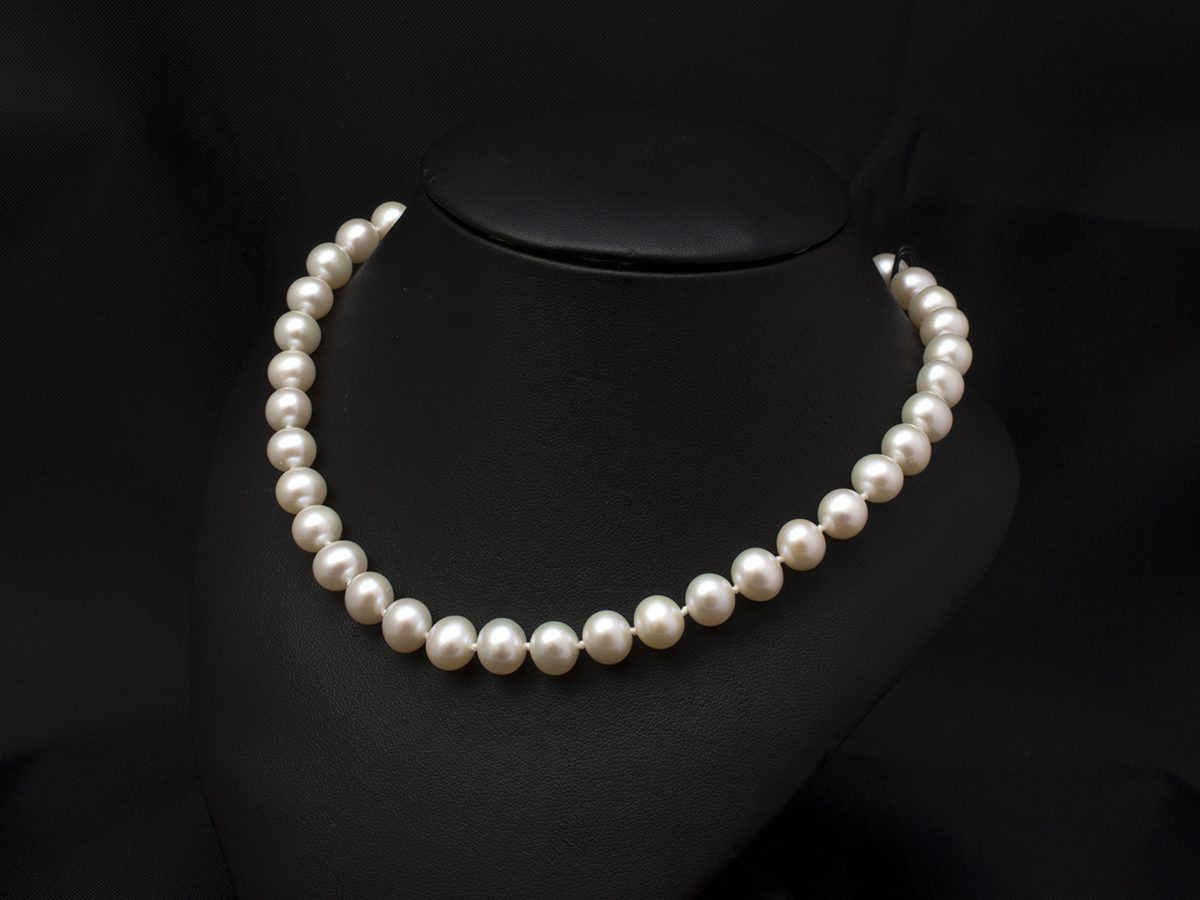
Assessing a real pearl necklace’s value involves evaluating factors like pearl type, size, shape, color, luster, and rarity. The worth fluctuates based on the quality of pearls, ranging from freshwater pearls starting around $150 to high-end South Sea pearls exceeding $100,000. These factors impact the long-term investment potential, including sentimental value. A reputable brand and the quality of pearls are significant influencers in the pricing trends. Initial considerations help determine the initial worth, but further information awaits regarding authentication, determining worth, and investment benefits.
Factors Affecting Pearl Necklace Value
The value of a pearl necklace is intricately tied to a multitude of factors, including the type of pearls used, their size, shape, color, luster, surface quality, and the overall craftsmanship of the piece. Different pearl types such as Akoya, Freshwater, Tahitian, and South Sea pearls each carry their unique characteristics that influence their worth. The size of the pearls also plays a crucial role, with larger pearls generally being more valuable due to their rarity. Additionally, the shape of the pearls, whether they’re perfectly round or have unique baroque shapes, can impact the necklace’s value.
Color is another significant factor affecting the worth of a pearl necklace, with rare hues like pink or black commanding higher prices. The luster, or the shine on the surface of the pearls, is a key indicator of quality. Smooth surface quality without blemishes enhances the overall value of the necklace. The craftsmanship of the piece, including the design and setting of the pearls, also contributes to its value. Furthermore, certification, brand reputation, and market demand all play essential roles in determining the worth of a real pearl necklace.
Pricing of Natural Pearl Necklaces
When determining the pricing of natural pearl necklaces, the rarity of the pearls is a crucial factor to consider. Various elements such as pearl size, shape, color, lustre, and surface quality contribute to the overall appraisal of a pearl necklace.
Evaluating these factors accurately is essential in determining the true value of a natural pearl necklace.
Rarity of Natural Pearls
Amidst the world of luxury jewelry, the worth of a natural pearl necklace is intricately tied to its rarity, dictating prices that can soar into the millions based on various quality factors.
- Natural pearls are exceptionally rare, contributing significantly to their high value.
- The size of natural pearls plays a crucial role in determining their worth.
- The shape, color, and lustre of natural pearls add to their allure and market desirability.
- Surface quality is a key factor in evaluating the overall appeal and value of natural pearls.
- Gemological testing is essential to authenticate natural pearls accurately, ensuring their market value is justified.
Factors Affecting Pearl Value
Transitioning from the rarity of natural pearls, understanding the factors influencing pearl value in natural pearl necklaces requires meticulous examination of various quality aspects.
Pearl size, shape, color, and lustre play crucial roles in determining the value of a pearl necklace. Larger pearls are generally more valuable due to their rarity and demand.
Lustre, influenced by nacre thickness, is a key indicator of quality. Surface imperfections can greatly affect the worth of a pearl necklace, with flawless pearls being highly prized.
The overall quality, including the matching of pearls in terms of shape, size, color, lustre, and surface quality, contributes significantly to the necklace’s value and overall appeal.
Appraisal of Pearl Necklaces
To accurately determine the value of a natural pearl necklace, it’s essential to conduct a thorough appraisal considering factors such as quality, size, rarity, and historical significance. When appraising natural pearl necklaces, key considerations include:
- Quality: Assessing the luster, surface quality, and overall condition of the pearls.
- Size: Larger pearls tend to command higher prices in the market.
- Rarity: Uncommon natural pearls, such as those with unique colors or shapes, are highly sought after.
- Historical factors: Provenance and any historical significance can add substantial value to a necklace.
- Authenticating: Gemological testing is vital to confirm the authenticity of natural pearls and ensure an accurate appraisal.
Value of Cultured Pearl Necklaces
When evaluating the value of cultured pearl necklaces, you must consider the quality of the pearls, pricing factors such as type and size, and the current trends in market demand.
These aspects play a crucial role in determining the worth of a cultured pearl necklace, with factors like luster, shape, and overall beauty being key influencers.
Understanding how these elements interact will help you gauge the true value of a cultured pearl necklace accurately.
Cultured Pearl Quality
How do the grading standards of cultured pearls, such as luster, shape, and surface quality, influence the value of a real pearl necklace? Understanding the quality factors of cultured pearls is crucial in determining the worth of a pearl necklace. Here are five key points to consider:
- Luster, the shine and glow of the pearl, greatly impacts its value.
- Shape plays a significant role; perfectly round pearls are highly desirable.
- Surface quality, including the presence of blemishes, affects the overall appearance.
- AAA grade pearls are the highest quality and command higher prices.
- The reputation of brands like Mikimoto and Tiffany can add premium value to a necklace.
These factors collectively determine the quality and ultimately the value of a cultured pearl necklace.
Pricing Factors
Factors such as pearl type, size, quality, and overall design intricately determine the value of cultured pearl necklaces. For instance, Akoya pearls are known for their high quality and typically command prices starting at around $300, while Tahitian pearls, with their larger sizes and unique colors, can cost upwards of $650.
The pearl color, surface quality, and brand also play significant roles in establishing the worth of a pearl necklace. Additionally, custom-made pieces or those from renowned designers often come at a premium due to the craftsmanship and distinct features they offer.
Understanding these pricing factors can help you make an informed decision when investing in a cultured pearl necklace that aligns with your preferences and budget.
Market Demand Trends
Influenced by various factors like pearl type, quality, size, and design, the market demand for cultured pearl necklaces fluctuates accordingly. When determining the value of cultured pearl necklaces, high-quality Akoya pearls and South Sea pearls are particularly sought after, with prices ranging from hundreds to tens of thousands of dollars.
The uniqueness of design plays a crucial role in setting market trends and impacting the overall worth of these pieces. Factors such as pearl type (Akoya, Tahitian, South Sea), pearl size, luster, and surface quality all contribute to the pricing of these elegant accessories.
Understanding these market demand trends is essential for both buyers and sellers in the realm of cultured pearl jewelry.
Authenticating Pearl Necklace Value
To authenticate the value of a real pearl necklace, meticulous evaluation of its pearl type, size, shape, color, lustre, surface quality, and nacre thickness is essential. Each of these characteristics contributes to the overall quality and worth of the necklace. The table below outlines how each factor impacts the value of a pearl necklace:
| Factor | Description | Impact on Value |
|---|---|---|
| Pearl Type | Refers to the variety of pearl (e.g., Akoya, Tahitian) | Different types hold varying values based on rarity and appeal |
| Size | Diameter of the pearl | Larger pearls generally command higher prices due to rarity |
| Shape | Symmetry and form of the pearl | Round pearls are typically more valuable than irregular shapes |
| Color | Hue of the pearl (e.g., white, pink, black) | Rare and vibrant colors can significantly increase value |
| Lustre | Quality of light reflection on the pearl surface | High lustre indicates higher quality and value |
| Surface Quality | Presence of blemishes or imperfections | Flawless surfaces enhance value |
| Nacre Thickness | Thickness of the nacre layers covering the pearl | Thicker nacre is associated with higher quality and value |
| Brand Reputation | Reputation of the brand producing the pearl necklace | Established brands can increase value due to craftsmanship |
| Certification | Official documentation verifying the authenticity | Certified pearls hold higher value and credibility |
| Market Demand | Current demand for specific types of pearl necklaces | Popular styles can influence value fluctuations |
Understanding these factors and their interplay is crucial in determining the true value of a real pearl necklace.
Determining Pearl Necklace Worth
Determining the worth of a real pearl necklace hinges on a comprehensive assessment of its key characteristics and market positioning. To accurately evaluate the value of a pearl necklace, consider the following:
- Pearl Type: Different types like Akoya pearls or Hanadama Akoya pearls can significantly impact the price.
- Size: Larger pearls generally command higher prices due to their rarity and visual impact.
- Quality: Factors such as luster, surface quality, and color contribute to the overall quality of the pearls.
- Brand: Established brands with a reputation for quality may fetch higher prices.
- Shape: Round pearls are typically the most valuable, followed by near-round, drop, button, and baroque shapes.
Investment Potential of Pearl Necklaces
Considering the enduring value and potential returns, investing in a real pearl necklace can be a wise decision for those looking to diversify their portfolio. Real pearl necklaces, ranging from freshwater pearls at $150 to high-quality South Sea pearls surpassing $100,000, offer a promising return on investment.
These high-quality pearls aren’t only a smart long-term investment but also hold sentimental value and can be treasured for generations. The investment potential of a pearl necklace is influenced by factors such as the pearl type, size, quality, and brand reputation.
To maximize the return on investment, it’s advisable to gradually invest in pearl necklaces, starting with simpler pieces and progressing to higher-end options. By choosing high-quality pearls from reputable sources, you can ensure that your investment retains its value and possibly appreciates over time, making real pearl necklaces a lucrative addition to your investment portfolio.