
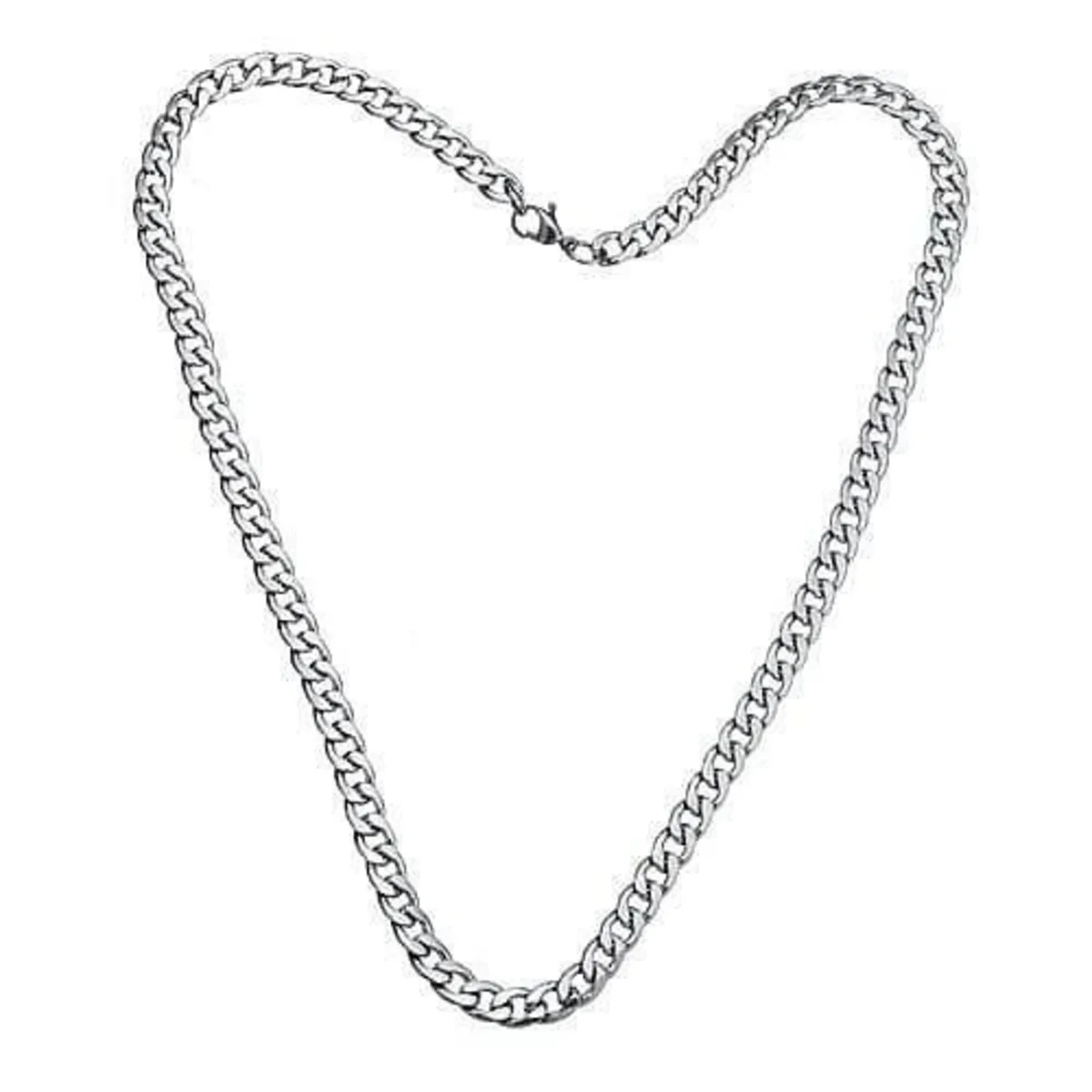
Stainless steel necklaces do not tarnish easily due to their iron and chromium alloy composition. They are highly resistant to rust, forming a protective layer that prevents tarnishing. However, factors like unique alloy composition and exposure to harsh elements can contribute to tarnishing over time. It is crucial to clean them regularly with mild soap and water, avoid abrasive substances, and store them away from direct sunlight. If you want to know more about maintaining the longevity and shine of stainless steel jewelry, further insights are available within the researched data.
Understanding Stainless Steel Jewelry
Stainless steel jewelry, including necklaces, is composed of an iron and chromium alloy renowned for its durability and resistance to tarnishing. The hypoallergenic nature of stainless steel makes it an excellent choice for individuals with sensitive skin, as it’s unlikely to cause any irritation.
Due to its composition, stainless steel forms a protective layer with oxygen, which shields it from corrosion and tarnishing. This feature ensures that stainless steel necklaces maintain their luster even with daily wear. Additionally, stainless steel is highly resistant to rust, making it ideal for prolonged use.
The durability of stainless steel jewelry sets it apart from other materials, as it can withstand the rigors of everyday activities without losing its shine. It’s a low-maintenance option that can be relied upon for its longevity and aesthetic appeal, especially for those seeking a durable and stylish accessory that’s gentle on the skin.
Tarnishing Factors for Stainless Steel
When considering the factors that contribute to tarnishing in stainless steel necklaces, the presence of certain elements can play a significant role. Stainless steel is known for its rust-resistant properties, which are attributed to its unique alloy composition. This composition forms a protective layer that shields the metal from tarnishing and corrosion, making stainless steel necklaces highly durable.
However, plated stainless steel necklaces may be prone to fading over time, especially when exposed to harsh elements. To prevent tarnishing and maintain the shine of stainless steel jewelry, regular cleaning with mild soap and water is recommended. This simple maintenance routine can help remove any dirt or oils that may accumulate on the surface of the necklace, preserving its luster.
Maintenance Tips for Stainless Steel Necklaces
To maintain the shine and durability of your stainless steel necklace, it’s essential to adhere to proper cleaning and storage practices. Regularly clean your stainless steel jewelry with mild soap and water to prevent dirt and oil buildup that can affect its luster. After wearing, use a soft microfiber cloth to wipe down the necklace gently.
Avoid exposing your stainless steel necklace to harsh chemicals, chlorine, and saltwater, as these can cause tarnishing and damage. Store your necklace in its original pouch or a jewelry box away from direct sunlight to prevent discoloration and tarnishing over time.
Cleaning Techniques for Stainless Steel
For optimal maintenance of stainless steel necklaces, employ gentle cleaning techniques using a mild soap and water solution. Avoid using toothpaste or paper towels, as these can be too abrasive for the delicate surface of the stainless steel. Instead, opt for a soft microfiber cloth to gently rub and remove dirt from the necklace. When cleaning, remember to follow the direction of the grain on the necklace to prevent any scratching. Regular cleaning using these techniques can help preserve the shine and appearance of your stainless steel jewelry.
| Cleaning Techniques for Stainless Steel | |
|---|---|
| Mild Soap and Water Solution | Gentle cleaning |
| Avoid Toothpaste | Abrasive |
| Soft Microfiber Cloth | Gentle rubbing |
| Direction of the Grain | Prevent scratching |
| Regular Cleaning | Maintains shine |
Impact of Plating on Tarnishing
Plating on stainless steel necklaces plays a crucial role in their resistance to tarnishing.
The type of plating used can determine how well the necklace retains its luster over time.
Factors such as the thickness and quality of the plating will directly impact the necklace’s tarnish resistance.
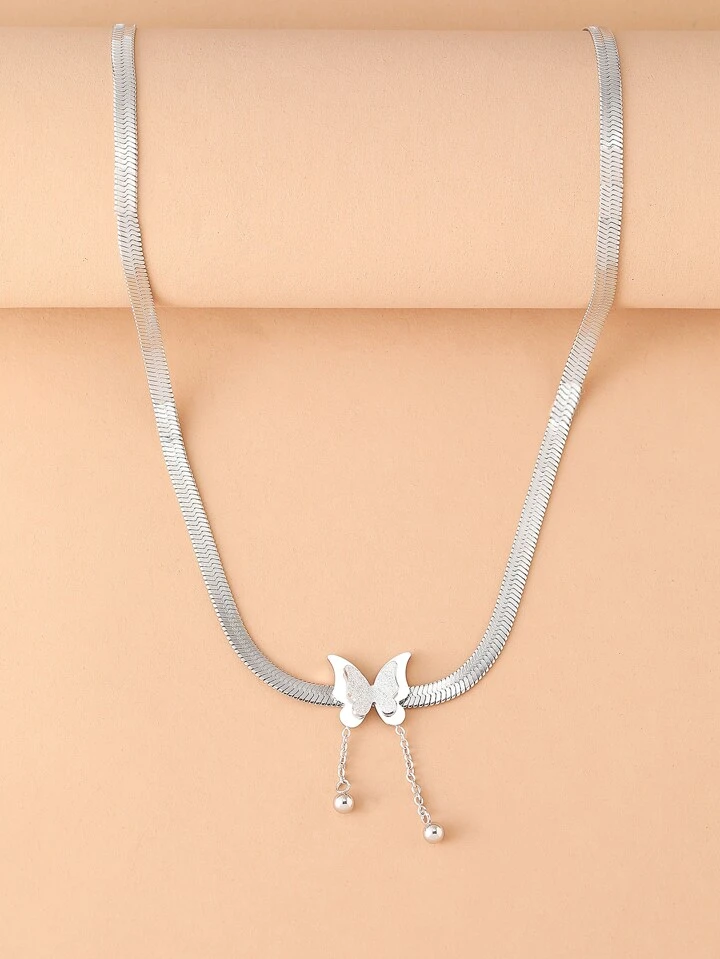
Plating Effects on Tarnishing
When considering the impact of plating on tarnishing stainless steel necklaces, the longevity of the protective layer is crucial. The plating on stainless steel necklaces serves as a barrier against tarnishing, shielding the metal beneath.
However, if the plating becomes compromised due to exposure to harsh chemicals or abrasion from rough surfaces, the risk of tarnishing increases. Proper care, such as avoiding contact with corrosive substances and abrasive materials, is essential to preserve the integrity of the plating.
Regular inspection of the plating can help identify any signs of wear or damage early on, allowing for timely maintenance. By maintaining the quality of the plating, you can prolong the tarnish-resistant properties of your stainless steel necklace.
Tarnish Resistance of Plating
The effectiveness of plated stainless steel necklaces in resisting tarnish depends significantly on the integrity of the protective plating layer. Plating serves as a barrier against tarnishing agents, but it can fade, chip, or wear away over time, leaving the stainless steel vulnerable to tarnishing.
Regular cleaning with a soft cloth can help maintain the luster of the plating and extend its resistance to tarnish. Proper storage also plays a crucial role in preserving the plating integrity. Avoid exposing plated stainless steel necklaces to harsh chemicals or abrasive materials that can compromise the plating.
Environmental Factors Affecting Tarnish
Examine how humidity impacts the tarnishing process on stainless steel necklaces, considering the correlation between moisture levels and oxidation reactions.
Explore the effects of chemical exposure on stainless steel jewelry, particularly noting how substances like chlorine and saltwater can accelerate tarnishing.
Investigate the role of oxidation in tarnishing stainless steel necklaces, focusing on how environmental factors contribute to the formation of oxides on the metal surface.
Humidity and Tarnish
In environments with high humidity, the tarnishing process of stainless steel necklaces can be accelerated due to moisture reacting with the metal components. To help you understand how humidity affects tarnish, consider the following:
- High humidity levels increase the risk of tarnishing in stainless steel necklaces.
- Moisture in the air can lead to a reaction with the metal components, causing tarnish.
- Exposure to humid environments like bathrooms or coastal areas can expedite tarnish formation.
- Storing your stainless steel necklaces in a dry place can prevent tarnishing due to humidity.
Chemical Exposure Effects
In environments with high humidity, the tarnishing process of stainless steel necklaces can be accelerated due to moisture reacting with the metal components; yet, chemical exposure also plays a significant role in affecting the luster of these accessories.
Stainless steel necklaces are generally resistant to tarnishing from environmental factors, but exposure to harsh chemicals like chlorine or saltwater can impact their shine. To maintain the luster of your stainless steel necklace, avoid wearing it when using household cleaners or swimming in pools with chlorine.
Proper care, such as regular cleaning with a soft cloth, is essential for preserving the shine of these accessories. High-quality stainless steel necklaces are more resistant to tarnishing compared to lower-grade stainless steel containing additional metals.
Oxidation and Tarnish
Stainless steel necklaces exhibit exceptional resistance to tarnishing primarily due to the formation of a protective chromium oxide layer on their surface. The alloy composition of stainless steel plays a crucial role in preventing oxidation and tarnishing by interacting with oxygen.
However, exposure to chlorine, saltwater, and harsh chemicals can compromise this protective layer, leading to potential tarnish. To maintain the luster of stainless steel necklaces, it’s essential to provide proper care, such as avoiding prolonged contact with these elements.
Regular cleaning using mild soap and water helps eliminate dirt and grime that could contribute to tarnishing over time. By understanding the impact of oxidation and environmental factors, you can preserve the beauty of your stainless steel jewelry.
Longevity of Stainless Steel Jewelry
To maximize the longevity of your stainless steel jewelry, implementing regular cleaning and maintenance practices is crucial. Stainless steel jewelry lasts a long time due to its durable and resistant nature, stemming from its stainless steel base. With proper care and maintenance, stainless steel pieces can maintain their shine and quality for up to two decades.
Unlike other metals, the longevity of stainless steel jewelry is much higher, as it’s less prone to tarnishing and fading over time. Its alloy composition makes it highly resistant to rust and corrosion, ensuring that your stainless steel jewelry remains looking new for an extended period.
Whether you prefer sleek and modern designs or more intricate styles, there’s a wide range of stainless steel necklaces available both online and in local stores to suit various preferences while offering long-lasting durability and aesthetic appeal.
Avoiding Tarnish in Stainless Steel
To prevent tarnish on your stainless steel necklaces, employ tarnish prevention methods such as avoiding contact with harsh chemicals and rough surfaces.
Cleaning your stainless steel jewelry regularly with mild soap and water can help maintain its shine and prevent tarnishing.
Additionally, store your stainless steel necklaces in a pouch away from direct sunlight to further protect them from tarnish.
Tarnish Prevention Methods
Regular cleaning with mild soap and water can effectively prevent tarnish on stainless steel necklaces. To keep your stainless steel jewelry looking its best, follow these essential guidelines:
- Use mild soap and water for cleaning: Gently wash your necklace with mild soap and water to remove dirt and oils that can contribute to tarnishing.
- Avoid harsh chemicals: Steer clear of abrasive cleaners or chemicals that can damage the stainless steel finish.
- Proper storage: Store your stainless steel necklace in a pouch or jewelry box to prevent scratches and exposure to air.
- Regular maintenance: Periodically inspect and clean your necklace to maintain its shine and prevent tarnishing.
Cleaning Stainless Steel
Maintain the pristine appearance of your stainless steel necklace by regularly cleaning it with mild soap and water to prevent tarnishing. Use a soft-bristled brush to gently scrub off any dirt or residue on the necklace.
Ensure to rinse the stainless steel thoroughly with water, and dry it using a soft cloth to avoid tarnish. Avoid using toothpaste or paper towels for cleaning as they may cause scratching or damage.
Proper Storage Techniques
To prevent tarnish formation on your stainless steel necklace, proper storage techniques are essential. Here are some key pointers to help you maintain the quality of your stainless steel jewelry:
- Store in a dry place: Prevent tarnish by storing your stainless steel necklaces in a dry environment.
- Avoid humid environments: Keep your necklaces away from damp or humid areas as moisture can expedite tarnish formation.
- Utilize a jewelry pouch: Store each necklace separately in a jewelry pouch or cloth to prevent scratching and tarnishing.
- Protect from direct sunlight: Maintain the luster of your stainless steel necklaces by keeping them away from direct sunlight.
Common Misconceptions About Tarnishing
Despite the common belief that stainless steel necklaces are completely immune to tarnishing, there are misconceptions surrounding their resistance to discoloration. Stainless steel necklaces are indeed known for being corrosion-resistant, primarily due to their alloy composition. This composition creates a protective layer that helps prevent tarnishing, making stainless steel a durable choice for jewelry.
However, it’s essential to note that plated stainless steel necklaces may fade over time, especially when exposed to certain elements. While stainless steel is less prone to tarnishing compared to other metals, it isn’t impervious. Regular cleaning and proper care are still necessary to maintain the shine and longevity of stainless steel necklaces.
Despite these common misconceptions, stainless steel remains a popular choice for jewelry due to its non-tarnishing properties, making it ideal for long-term wear.
Storing Stainless Steel Necklaces Properly
Proper storage of stainless steel necklaces is crucial to prevent tarnishing and maintain their quality over time. Here are four essential tips to store your stainless steel necklaces properly:
- Store in a Cool Place: Keep your stainless steel necklaces in a dry, cool place to prevent tarnishing. Avoid storing them in direct sunlight or humid environments that can accelerate the tarnishing process.
- Use a Jewelry Pouch: Protect your stainless steel necklaces by storing them in a jewelry pouch or an airtight container. This helps shield the necklace from exposure to air and moisture, which can lead to tarnishing.
- Separate from Other Jewelry: To prevent scratching and damage, store your stainless steel necklaces separately from other jewelry pieces. This will help maintain their shine and quality over time.
- Regular Cleaning and Polishing: Maintain the shine and prevent tarnishing by regularly cleaning and polishing your stainless steel necklaces. This routine care will ensure they look their best for longer.
Tarnish Prevention for Stainless Steel
Stainless steel’s inherent corrosion resistance makes it highly resistant to tarnishing, ensuring durability and longevity for necklaces made from this material. The alloy composition of stainless steel plays a significant role in preventing tarnish, making it a durable choice for jewelry.
To further prevent tarnishing, proper care and maintenance are crucial. Avoid exposing stainless steel necklaces to harsh chemicals or abrasive materials, as these can compromise its corrosion-resistant properties. Plated stainless steel necklaces may fade over time when exposed to certain elements due to the thin layer of plating.
Regular cleaning with mild soap and water can help maintain the shine and appearance of stainless steel necklaces by removing dirt and oils that can dull its surface. By following these simple care instructions, you can ensure that your stainless steel necklace remains tarnish-free and retains its luster for years to come.
Impact of Water on Tarnishing
When exposed to water, the impact on tarnishing of stainless steel necklaces is typically minimal due to their inherent resistance to corrosion. Here are four key points regarding the impact of water on tarnishing stainless steel necklaces:
- Stainless steel composition: The chromium in stainless steel creates a protective layer that helps prevent tarnishing when exposed to water.
- Resistance to water: Stainless steel necklaces are designed to resist tarnishing from water exposure, making them suitable for everyday wear.
- Potential risks: Prolonged exposure to harsh chemicals or saltwater can diminish the shine of stainless steel necklaces over time.
- Maintenance: Regular cleaning and proper maintenance are essential to preserve the luster and prevent any tarnishing that may occur due to water exposure.
Understanding the unique properties of stainless steel can help you maintain the quality and appearance of your necklace, ensuring it remains a timeless piece in your collection.
Preserving Shine in Stainless Steel
To maintain the shine of your stainless steel necklace, consider implementing a routine cleaning regimen using mild soap and water. Stainless steel’s Chromium content forms a protective layer that helps prevent tarnishing. By cleaning your necklace regularly with mild soap and water, you can preserve its appearance and shine.
Proper care is essential to ensure the longevity of your stainless steel jewelry. Avoid exposing your necklace to harsh chemicals and store it properly when not in use to prevent damage. Stainless steel necklaces are known for their durability and long-lasting shine, making them an ideal choice for those seeking jewelry that can withstand everyday wear.