

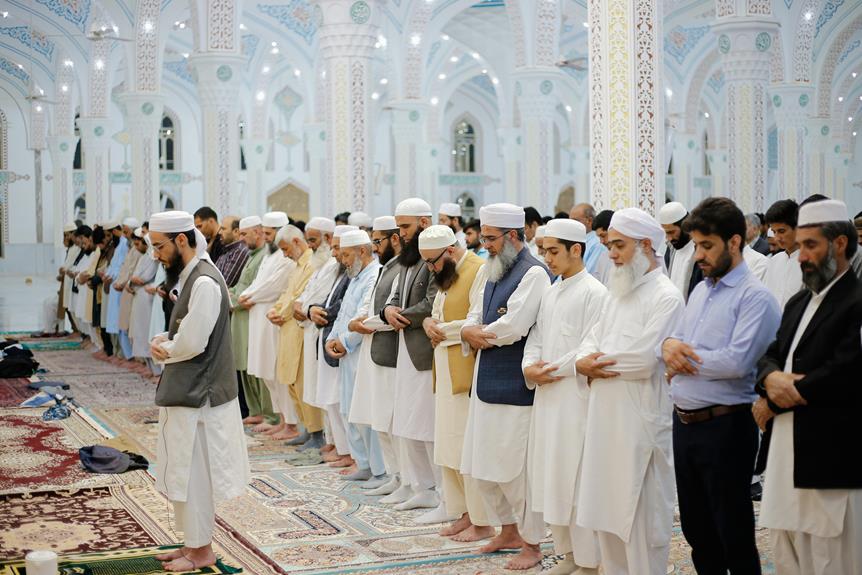
Yes, men can wear necklaces in Islam, focusing on modesty and simplicity. It’s advised to choose non-flashy, gender-appropriate styles that avoid resembling women’s jewelry. This aligns with Islamic teachings promoting humility and avoiding unnecessary attention. Remember, seeking guidance from knowledgeable scholars can offer insights on suitable jewelry choices. Feel free to explore further perspectives on men’s adornments in Islam to make informed decisions.
Islamic Perspectives on Men’s Necklaces
When considering Islamic perspectives on men wearing necklaces, it’s crucial to understand the emphasis placed on modesty and gender-appropriate adornments in the faith. Men are advised to wear chains or necklaces that are simple and not flashy, avoiding styles that may be more commonly associated with women’s jewelry. In Islam, the focus is on maintaining modesty and not drawing unnecessary attention to oneself through extravagant accessories.
While men wearing necklaces is generally discouraged, it’s especially important to avoid imitating women in their choice of adornments. The prohibition extends to wearing gold and silver jewelry, including necklaces, as these are considered more appropriate for women in Islamic teachings. Cultural customs and historical trends also influence the acceptability of men wearing necklaces, with some societies being more lenient than others.
To navigate this aspect of Islamic etiquette, seeking guidance from knowledgeable scholars can provide valuable insights into what’s considered appropriate and respectful in terms of men’s jewelry choices within the faith.
Quranic and Hadith Views
In Islam, Quranic verses and Hadiths provide guidance on various aspects of life, including adornments and attire. Understanding the principles outlined in these sacred texts can shed light on the permissibility of men wearing necklaces in Islamic teachings.
Islamic Stance on Necklaces
Discouraging men from wearing necklaces in Islam stems from the prohibition of imitating women, as emphasized in Quranic teachings and Hadith. The Islamic stance on necklaces for men is influenced by the following:
- Men wearing necklaces is generally discouraged to avoid imitating women.
- Prophet Muhammad explicitly forbade men from imitating women in various aspects, which includes adornments like necklaces.
- Custom and societal norms play a role in determining the permissibility of certain adornments for men, such as necklaces.
Islamic teachings stress modesty and discourage the adoption of items specifically designed for the opposite gender, including jewelry like necklaces. This perspective highlights the importance of adhering to gender-appropriate attire and adornments.
Cultural Interpretations of Jewelry
Cultural interpretations of jewelry in Islam pivot on the Quranic and Hadith views regarding adornments and gender-appropriate attire. Islam places importance on modesty and discourages extravagance in attire and accessories. Social norms and cultural expressions play a significant role in determining what’s considered acceptable in terms of fashion trends within Islamic teachings.
Men wearing necklaces may be perceived differently in various societies, with some communities accepting it as a common practice while others may view it as crossing the boundaries of gender-appropriate dressing. Custom and tradition heavily influence whether certain forms of adornment are deemed permissible or impermissible. Understanding the cultural context and societal norms is essential when considering the appropriateness of jewelry for men in Islam.
Gender Roles and Adornment
Gender roles and adornment in Islam are influenced by Quranic and Hadith teachings, particularly emphasizing the prohibition of men imitating women in various aspects, including clothing and accessories.
- Gender expression, societal norms play a significant role in determining acceptable adornments for men.
- Adornment restrictions, religious teachings strictly forbid men from imitating women in attire and accessories.
- Cultural perceptions, personal choices should align with Islamic guidelines to avoid imitating the opposite gender.
Men wearing necklaces may be perceived as imitating women, thus conflicting with religious teachings and societal norms. It’s crucial to respect these boundaries while making personal choices in adornment to adhere to Islamic principles and cultural expectations.
Scholarly Interpretations
Scholars universally caution against men wearing necklaces in Islam, citing the prohibition on imitating women as a key factor. This caution stems from a combination of cultural interpretations, gender appropriateness, and religious guidelines.
In Islamic teachings, the custom of men wearing necklaces isn’t widely accepted in society, aligning with Prophet Muhammad’s instruction against men and women imitating each other. Islamic principles emphasize modesty and discourage extravagance, traits that can be compromised when men wear necklaces traditionally associated with women.
The consensus among scholars is that men should avoid items of adornment specifically meant for the opposite gender, such as necklaces. By adhering to these guidelines, men can maintain their modesty and uphold the principles of gender-appropriate attire and behavior as outlined in Islamic teachings. It’s essential to consider these scholarly interpretations when contemplating the permissibility of men wearing necklaces in Islam.
Modesty and Adornment
When considering the topic of men wearing necklaces in Islam, it’s imperative to emphasize the significance of modesty and adornment in aligning with Islamic teachings. In Islam, modesty guidelines play a crucial role in determining the appropriateness of men’s adornments, including necklaces.
- Modesty Guidelines: Men can wear necklaces as long as they adhere to the principles of modesty and avoid extravagance in their adornments.
- Adornment Balance: Adornment for men should prioritize simplicity and humility, focusing on avoiding any display of wealth or arrogance.
- Gender Distinctions: While men are allowed to wear necklaces, it’s essential to maintain a clear distinction between male and female adornments. Men should refrain from wearing necklaces that are traditionally designed for women.
Gender Appropriateness in Attire
Considering cultural norms and religious guidelines, it’s essential to carefully select attire that aligns with the appropriate gender expectations in Islam. In Islamic teachings, there’s an emphasis on modesty and avoiding adornments that are specific to the opposite gender.
Men wearing necklaces has historically been discouraged in Islam to prevent imitation of women, as scholars have associated necklaces with femininity. It’s advised for men to opt for jewelry that reflects principles of humility and moderation as outlined in religious guidelines.
Social perceptions play a significant role in determining the appropriateness of attire, and men should be mindful of how their choices are perceived in society. By adhering to gender norms and considering both societal customs and Islamic principles, men can ensure that their attire and accessories align with the expectations set forth by their faith.
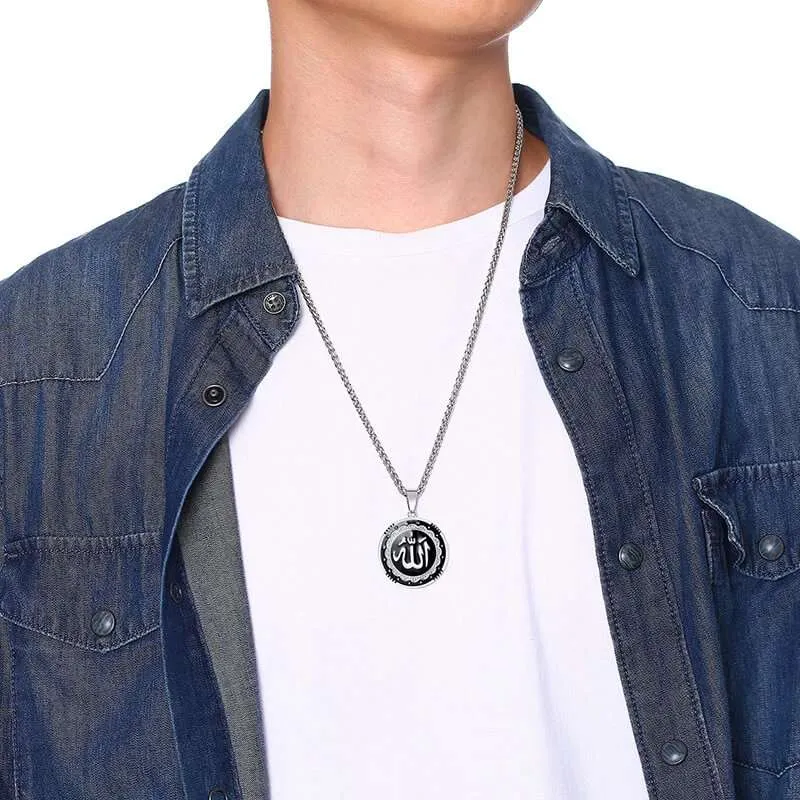
Imitation and Cultural Considerations
When considering men wearing necklaces in Islam, it’s crucial to understand the implications of imitation and cultural sensitivities.
Imitating women in adornments like necklaces goes against Prophet Muhammad’s teachings and is deemed inappropriate in Islamic tradition.
Cultural norms should be respected, aligning with Islamic principles to maintain modesty and societal harmony.
Imitation in Islam
In Islam, adhering to the prohibition of imitating the opposite gender, including through adornments like necklaces, carries significant cultural considerations.
- Gender Boundaries: Upholding distinct gender norms is essential in Islamic teachings.
- Fashion Statements: The way individuals dress and accessorize can communicate messages about identity and beliefs.
- Social Perceptions: Imitating the opposite gender can impact how one is perceived in society, influencing relationships and interactions.
Respecting these boundaries and considering the social and cultural implications of imitation is crucial in maintaining modesty and upholding Islamic principles. Therefore, when contemplating wearing necklaces as a man, it’s essential to reflect on these aspects to ensure alignment with Islamic teachings and societal norms.
Cultural Sensitivity
Understanding the cultural nuances and sensitivities surrounding imitation and adornments is crucial in navigating the boundaries set by Islamic teachings. In many societies influenced by Islamic values, there are strict gender norms that dictate what is socially acceptable for men and women to wear. Men wearing necklaces, a traditionally feminine adornment, can be viewed as disregarding these gender norms. Social acceptance and cultural sensitivity are key factors to consider when deciding whether men can wear necklaces in Islam. To illustrate this point further, let’s examine the following table:
| Cultural Sensitivity | Gender Norms | Social Acceptance |
|---|---|---|
| Crucial for adherence to Islamic teachings | Dictate appropriate attire | Influences individual choices |
Respecting these cultural considerations is essential in maintaining harmony within communities while upholding the principles of modesty and gender distinctions emphasized in Islam.
Intentions Behind Wearing Necklaces
To ensure the adherence to Islamic principles, it’s crucial for men to reflect on their intentions before wearing necklaces, emphasizing modesty and humility. When considering wearing a necklace, it’s important to keep in mind the following points:
- Intentional modesty: Men should wear necklaces with the intention of modesty, avoiding any desire to show off or boast.
- Cultural appropriateness: Take into account cultural norms and appropriateness when choosing to wear a necklace, ensuring it aligns with modesty standards.
- Religious guidance: Seek guidance from religious teachings to understand the boundaries of adornment for men in Islam.
Religious Guidelines for Men
Reflect on the religious guidelines for men when considering wearing necklaces in Islam, emphasizing adherence to modesty and humility in adornment choices.
In Islam, there are clear gender boundaries regarding jewelry, with men being discouraged from wearing gold and silver necklaces. Islamic teachings emphasize the importance of modesty, humility, and avoiding extravagance in fashion choices, including jewelry selection. Men are advised to steer clear of items specifically designed for women, as this goes against the principles of religious modesty.
However, it’s permissible for men to wear simple and modest chains that don’t imitate women’s jewelry. By respecting these guidelines, men can maintain their adherence to Islamic principles while still enjoying the option to adorn themselves with appropriate accessories. Consulting knowledgeable scholars can offer further clarity on acceptable jewelry choices, ensuring that one’s fashion choices align with religious teachings and values.
Consulting Knowledgeable Scholars
When considering the permissibility of men wearing necklaces in Islam, consulting knowledgeable scholars is crucial.
These scholars can offer valuable insights into the religious guidelines surrounding men’s adornments and provide clarity on whether specific types of necklaces are allowed.
Seeking guidance from scholars ensures a better understanding of the Islamic perspective on this matter.
Scholarly Opinions
Knowledgeable scholars play a vital role in providing clarity on the permissibility of men wearing necklaces in Islam. When seeking scholarly opinions, consider the following:
- Scholarly perspectives, cultural norms: Scholars can offer insights into how cultural norms intersect with religious rulings on men’s jewelry choices.
- Historical context, religious rulings: Understanding the historical context and religious rulings regarding adornments for men is crucial in making informed choices.
- Modesty principles, adornment guidelines: Scholars can explain the principles of modesty and provide guidance on adhering to adornment guidelines for men.
Religious Permissibility
To ascertain the religious permissibility of men wearing necklaces in Islam, seeking guidance from knowledgeable scholars is crucial. Scholars can provide valuable insights based on Islamic teachings and principles regarding men’s jewelry. They can offer clarification on specific types of necklaces and their permissibility, taking into account fashion trends, religious rulings, and social perceptions. Consulting scholars allows for a deeper understanding of cultural and historical contexts related to men’s jewelry in Islam. By seeking scholarly advice, individuals can comprehend the reasoning behind prohibitions or permissions concerning men’s necklaces. This guidance aids in making informed decisions while respecting the religious guidelines and societal norms within the Islamic faith.
| Fashion Trends | Religious Rulings | Social Perceptions |
|---|---|---|
| Importance of style in jewelry choices | Interpretation of Islamic texts | Impact of jewelry on societal views |
| Adaptation to contemporary fashion | Application of religious principles | Role of jewelry in self-expression |
| Evolution of men’s jewelry preferences | Consideration of cultural norms | Perception of masculinity and adornment |
Personal Reflections on the Issue
Considering the cultural and religious implications, your personal stance on men wearing necklaces in Islam can reflect a deeper understanding of modesty and gender roles within the faith. Personal experiences, cultural influences, and religious beliefs play a significant role in shaping your viewpoint on this matter.
- Personal experiences: Your own encounters with societal norms and religious teachings can influence how you perceive the appropriateness of men wearing necklaces in Islam.
- Cultural influences: The cultural environment you grew up in and the prevailing attitudes towards gender expression and modesty can impact your perspective on this issue.
- Religious beliefs: Your understanding of Islamic teachings regarding modesty, gender roles, and imitation of the opposite gender will guide your thoughts on whether men should wear necklaces in adherence to religious guidelines.
Considering these factors can help you form a well-rounded opinion on whether men wearing necklaces aligns with Islamic principles and values.
Conclusion and Call to Action
In concluding, it’s essential to reflect upon the implications of men wearing necklaces in Islam and consider actionable steps to uphold religious principles.
While the discouragement of men wearing necklaces stems from avoiding imitation of women, it’s crucial to understand that the prohibition of imitating the opposite gender is rooted in maintaining gender distinctions, as mentioned in Hadith. Custom and societal acceptance also play a significant role in determining the permissibility of men wearing necklaces within Islamic teachings, which emphasize modesty and avoiding items specifically designed for the opposite gender.
To navigate this issue, seeking clarity by consulting knowledgeable scholars can provide insights on specific jewelry items permissible for men in Islam. Exploring alternatives that align with Islamic guidelines while respecting cultural norms can help strike a balance. Encouraging diversity in personal expression while upholding religious values is paramount in addressing the question of men wearing necklaces in Islam.