
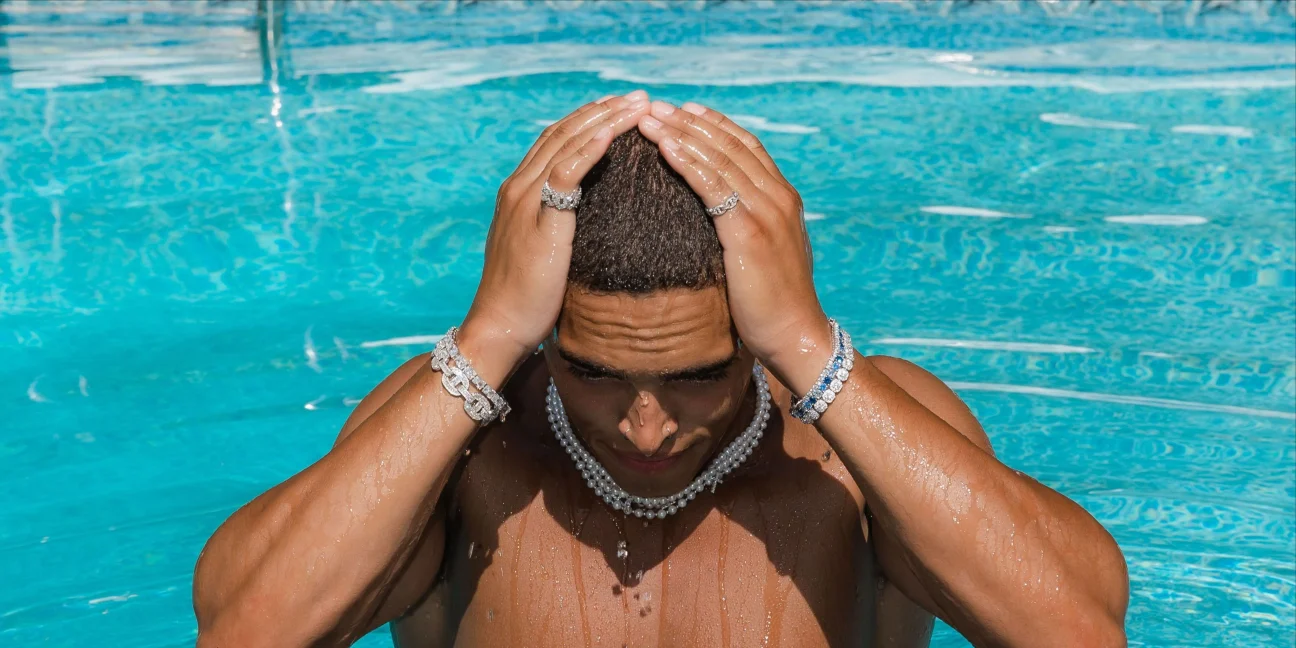
Showering with a sterling silver necklace isn’t ideal. The water and chemicals speed up tarnishing, robbing it of its shine. The moist environment raises the risk of dropping it, leading to potential damage. Prevent oxidation and maintain brilliance by removing it before showering. If you want to know more about caring for your silver jewelry, there are effective cleaning and storing techniques available.
Effects of Showering on Sterling Silver
To maintain the quality and shine of your sterling silver necklace, it’s advisable to remove it before showering to prevent oxidation and tarnishing caused by exposure to water and harsh chemicals. Showering with your sterling silver necklace can lead to unwanted consequences over time.
The water and harsh chemicals present in soaps and shower gels can accelerate the oxidation process of the silver, causing it to tarnish and lose its luster. Additionally, the wet conditions in the shower increase the risk of dropping or losing your necklace.
Impact of Water Exposure on Silver
When exposed to water, sterling silver necklaces are susceptible to oxidation and tarnishing, leading to a darkening of the metal over time. While it may be tempting to wear your favorite necklace in the shower, it’s essential to consider the potential consequences of water exposure on your precious piece.
- Tarnish Risk: Showering with a sterling silver necklace increases the likelihood of tarnishing, diminishing its luster.
- Damage Potential: The risk of dropping or losing the necklace is higher in a wet environment like the shower.
- Chemical Exposure: Harsh chemicals present in water, such as chlorine, can accelerate the tarnishing process and affect the appearance of silver.
- Long-Term Effects: Over time, frequent exposure to water can lead to irreversible damage to the silver necklace.
- Preventive Measures: To maintain the beauty and longevity of your sterling silver necklace, it’s advisable to remove it before showering to prevent potential harm.
Preventing Tarnish on Sterling Silver
To keep your sterling silver necklace looking its best, you should consider preventive measures against tarnish. Removing your necklace before showering helps avoid exposure to moisture and chemicals that contribute to tarnishing.
Proper storage in anti-tarnish pouches or cloth and using specialized cleaning solutions when needed can also help maintain the shine of your sterling silver jewelry.
Tarnish Prevention Methods
How can you effectively prevent tarnish on your sterling silver necklace?
To keep your sterling silver jewelry looking its best, consider the following tarnish prevention methods:
- Keep it dry: Moisture, especially from showers, can accelerate tarnishing.
- Avoid water exposure: Water can cause tarnish on sterling silver, so remove your necklace before showering.
- Use anti-tarnish pouches: Storing your necklace in anti-tarnish pouches can help prevent tarnish.
- Clean it regularly: Gently clean your sterling silver necklace with a polishing cloth to remove any tarnish that may have started to form.
- Store it properly: Proper storage, away from moisture and air exposure, can significantly reduce tarnish on your sterling silver necklace.
Proper Storage Tips
For optimal preservation of your sterling silver necklace and to prevent tarnish, consider implementing these effective storage tips. Store your sterling silver necklace in an anti-tarnish pouch or cloth to prevent oxidation and tarnishing. Keep it away from moisture and humidity by storing it in a cool, dry place. Avoid exposing it to direct sunlight, as this can diminish its shine. To absorb excess moisture and protect your silver necklace, use silica gel packs or chalk in your storage area. Regularly polish and clean your sterling silver necklace to remove any tarnish buildup and maintain its beauty.
| Storage Tips | Description |
|---|---|
| Use Anti-Tarnish Pouch/Cloth | Prevents oxidation and tarnishing. |
| Keep Away from Moisture | Store in a cool, dry place to avoid tarnish. |
| Avoid Direct Sunlight | Protects the shine and luster of the necklace. |
| Silica Gel Packs/Chalk | Absorb excess moisture in the storage area. |
| Regular Cleaning | Polish and clean to remove tarnish buildup and maintain the beauty of the sterling silver. |
Cleaning Techniques
After properly storing your sterling silver necklace, the next step is to master effective cleaning techniques to prevent tarnish and maintain its brilliance. To keep your silver shining, follow these expert tips:
- Use a polishing cloth: Gently clean and restore shine to your sterling silver necklace.
- Avoid harsh chemicals: Protect the surface by steering clear of abrasive materials that can damage the necklace.
- Store in a dry container: Prevent tarnishing by storing your sterling silver necklace in a dry, airtight container.
- Consider a silver polishing solution: For stubborn tarnish, try using a silver polishing solution.
- Regular maintenance: Clean your sterling silver necklace regularly to ensure it stays looking its best.
Cleaning Tips for Silver Necklaces
To maintain the lustrous appearance of your silver necklace, regularly employ gentle cleaning techniques and mindful storage practices. After wearing your silver necklace, use a soft cloth to gently polish it, removing any dirt or oils. Avoid exposing your necklace to harsh chemicals found in soaps and shampoos, as these can cause damage and tarnishing. When not wearing your necklace, store it in a cool, dry place to prevent tarnishing. Regularly clean your silver necklace with a silver polishing cloth to maintain its shine and remove any buildup.
| Cleaning Tips for Silver Necklaces | |
|---|---|
| Tip 1: | Gently polish after wear |
| Tip 2: | Avoid harsh chemicals |
| Tip 3: | Store in cool, dry place |
| Tip 4: | Regularly use silver polishing cloth |
Factors Accelerating Silver Tarnishing
Exposure to moisture, particularly shower water, significantly accelerates the tarnishing process of sterling silver necklaces. When it comes to factors that speed up silver tarnishing, consider the following:
- Chemicals in Shower Products: Soaps and shampoos used in the shower contain chemicals that can react with the silver, causing it to tarnish more quickly.
- Mineral Content in Water: High mineral content, common in hard water areas, can have a negative impact on the appearance of silver jewelry, leading to tarnishing.
- Chlorine in Shower Water: Chlorine, often present in tap water and more so in swimming pools, can interact with silver, resulting in oxidation and tarnishing.
- Duration of Exposure: Prolonged exposure to shower water can expedite tarnishing, especially if the necklace isn’t dried properly afterward.
- Frequency of Showering: Showering frequently without removing the silver necklace can increase the likelihood of tarnishing due to continuous exposure to moisture and chemicals.
To preserve the shine of your sterling silver necklace, it’s advisable to remove it before showering to prevent accelerated tarnishing.
Maintenance of Sterling Silver Jewelry
To keep your sterling silver jewelry looking its best, regularly clean it with a silver polishing cloth to remove any tarnish.
Avoid exposing your jewelry to water, especially when showering, as moisture can accelerate tarnishing.
Store your silver pieces in airtight bags or anti-tarnish cloth to prevent oxidation and maintain their shine.
Cleaning Silver Jewelry
Regularly cleaning your sterling silver jewelry is essential for maintaining its shine and preventing tarnishing. To keep your silver necklace looking its best, follow these tips:
- Use a soft cloth to gently polish your sterling silver necklace to remove dirt and oils.
- Avoid using harsh chemicals or abrasive materials when cleaning your sterling silver necklace.
- Store your sterling silver necklace in a dry, cool place to prevent oxidation and tarnishing.
- Consider using specialized silver cleaning solutions or polishing cloths for deeper cleaning of your sterling silver necklace.
- Remember to clean your sterling silver jewelry regularly to maintain its luster and beauty for years to come.
Avoiding Water Exposure
For proper maintenance of your sterling silver jewelry, it’s advisable to take precautions against water exposure. Water exposure, especially from activities like showering with your sterling silver necklace on, can accelerate oxidation and tarnishing of the metal, leading to a darkened appearance over time.
Additionally, wearing your necklace in the shower increases the risk of dropping or losing it. To preserve the shine and durability of your sterling silver jewelry, it’s recommended to remove it before showering or engaging in water-related activities.
Storing Properly
When it comes to maintaining the luster and longevity of your sterling silver necklace, proper storage is key. To ensure your jewelry stays pristine, follow these storing properly tips:
- Store Away from Moisture: Keep your sterling silver necklace in a dry place to prevent tarnishing.
- Use Anti-Tarnish Measures: Utilize silica gel packets or tarnish-resistant pouches for optimal storage conditions.
- Avoid Harsh Conditions: Shield your necklace from sunlight, harsh chemicals, and extreme temperatures.
- Regular Cleaning: Clean and polish your necklace frequently to preserve its shine.
- Invest in a Jewelry Box: Consider a jewelry box with individual compartments to prevent scratches and tangles.
Avoiding Water Damage on Silver
To preserve the luster and quality of your sterling silver necklace, it’s crucial to be mindful of water exposure and take appropriate precautions. Water damage poses a significant risk to sterling silver jewelry, as it can lead to oxidation and tarnishing. Exposure to chlorine and harsh chemicals in water can also negatively impact the appearance of your silver necklace.
It’s advisable to remove your sterling silver necklace before showering to prevent potential discoloration and tarnishing. Moreover, wearing your necklace in the shower increases the risk of dropping or losing it. By taking off your silver necklace before showering, you not only protect it from water damage but also reduce the likelihood of accidental loss.
Therefore, to maintain the beauty and longevity of your sterling silver necklace, make it a habit to avoid water exposure whenever possible. By following this simple precaution, you can enjoy your silver jewelry for years to come.
Showering Guidelines for Silver Necklaces
When it comes to showering with a sterling silver necklace, it’s essential to consider the impact of water on its shine and longevity.
Water can accelerate tarnishing and oxidation, causing the necklace to darken over time.
To maintain the quality of your silver necklace, it’s advisable to remove it before stepping into the shower.
Water and Silver Compatibility
Showering regularly with a sterling silver necklace can accelerate the oxidation and tarnishing process of the metal, diminishing its luster and quality over time. Here are some key points to consider before deciding to shower with your silver necklace:
- Risk of Damage: Water exposure can lead to tarnishing and darkening of the necklace.
- Slippery Conditions: There’s a risk of dropping or losing the necklace in the shower.
- Preventive Measures: It’s recommended to remove the silver necklace before showering.
- Chemical Exposure: Harsh chemicals in water and personal care products can affect the appearance and quality of the necklace.
- Longevity Concerns: Showering with silver jewelry may reduce its longevity and shine.
Impact on Necklace Shine
Have you ever wondered about the impact of showering on the shine of your sterling silver necklace? Showering with a sterling silver necklace can lead to tarnishing over time due to oxidation from water exposure. This can cause the necklace to darken and lose its luster. Additionally, the risk of dropping or misplacing the necklace increases in a wet shower environment. To preserve the shine and quality of your sterling silver necklace, it is advisable to remove it before showering. The harsh chemicals present in water, soaps, and shower products can adversely affect the appearance and longevity of your silver necklace. Taking this simple step can help maintain the beauty and shine of your precious jewelry piece.
| Impact on Necklace Shine |
|---|
| Leads to tarnishing over time |
| Causes the necklace to darken |
| Increases the risk of dropping or losing the necklace |
| Harsh chemicals in water and soaps affect appearance |
| Remove the necklace before showering to maintain shine |
Signs of Tarnish on Sterling Silver
To identify tarnish on sterling silver, examine the metal surface for a brown or black patina that indicates the presence of tarnish caused by exposure to sulfur compounds in the air. Tarnished sterling silver may exhibit smudging, darkening, or a dull appearance. If you notice these signs on your jewelry, it’s likely tarnished.
Cleaning tarnished sterling silver can be time-consuming, requiring effort to restore its original shine. Rhodium plating is a common solution to prevent tarnish and maintain the luster of sterling silver jewelry. Remember, prevention is key to keeping your sterling silver looking its best. Keep an eye out for these signs of tarnish to address any issues promptly and keep your jewelry shining bright.
- Discovering tarnish on your beloved sterling silver piece can be disheartening.
- The sight of dark spots or a lackluster appearance may evoke feelings of disappointment.
- Taking the time to clean tarnished silver requires patience and dedication.
- Knowing when to address tarnish helps maintain the beauty of your jewelry.
- Preventing tarnish through proper care ensures your sterling silver stays radiant.
Best Practices for Silver Necklace Care
What’re the essential steps for properly caring for your silver necklace to ensure its longevity and luster?
To maintain the shine and quality of your sterling silver necklace, it’s crucial to follow proper care practices. Firstly, avoid showering with your silver necklace as water exposure can lead to oxidation and tarnishing over time. The reaction with water may cause the necklace to darken, diminishing its appearance. Additionally, the risk of dropping or losing the necklace is higher in the shower, making it advisable to remove it before showering.
Harsh chemicals present in water, soaps, and shower gels can also be detrimental to the silver’s appearance. To preserve the luster of your silver necklace, store it in a cool, dry place when not in use, preferably in an anti-tarnish pouch or cloth. Regularly clean your necklace with a silver polishing cloth to remove any dirt or oils that may accumulate.