
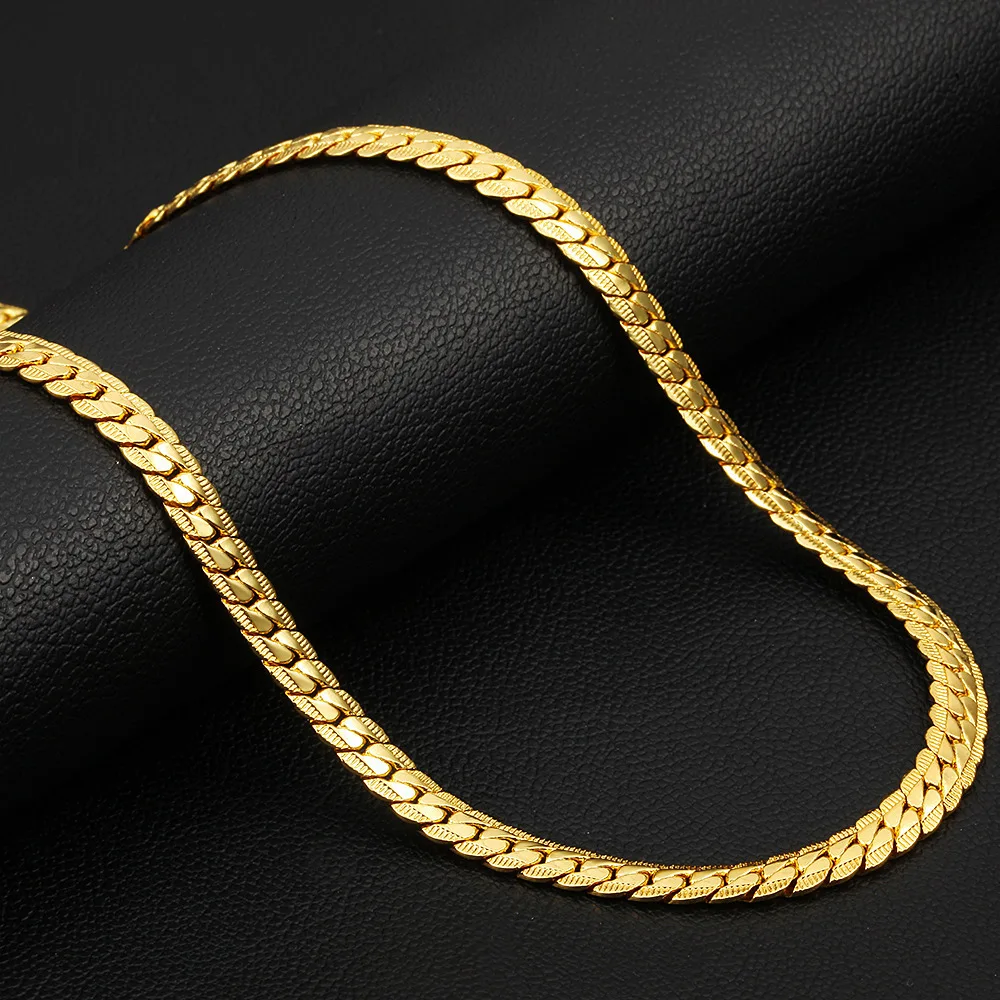
Inspect the purity markings, like ’18K’ or ‘750’, near the clasp for authenticity. Clear and well-defined markings certify the metal content. Use a magnet to check for magnetic properties – real gold won’t be attracted. Weight and density matter; real 18K gold is heavy and dense. Try a water float test – real gold sinks due to high density. Ensure the necklace doesn’t tarnish skin or leave marks. These initial checks can help you determine if your 18K gold necklace is genuine.
Purity Markings
When inspecting an 18K gold necklace for authenticity, always begin by scrutinizing the purity markings present on the piece. These purity markings, such as ’18K’ or ‘750’, are crucial indicators that the necklace is indeed made of 18 karat gold. Authenticity hinges on these markings, as genuine 18K gold jewelry will always bear a stamp denoting its purity level, typically located close to the clasp for easy identification.
The ’18K’ marking specifically signifies that the necklace consists of 75% pure gold and 25% other metals for enhanced durability and strength, making it a sought-after choice for high-quality jewelry.
To ensure the necklace’s authenticity, carefully examine the purity marking to ensure it’s clear, well-defined, and precise. Legible stamps are a hallmark of authentic 18K gold necklaces, with markings like ‘750’ or ’18K’ serving as guarantees of the piece’s purity and quality. These markings are vital in distinguishing genuine 18K gold from lesser-quality imitations, providing you with the assurance that your necklace is a valuable and authentic piece of gold jewelry.
Magnet Test
To test the authenticity of an 18K gold necklace, try using a magnet. Genuine 18K gold doesn’t attract magnets due to its non-magnetic nature.
Conducting a magnet test can help you confirm the authenticity of the gold in your necklace.
Magnetic Properties
Real 18K gold necklaces exhibit a lack of attraction to magnets due to gold’s non-magnetic properties. To test the authenticity of an 18K gold necklace, use a strong magnet.
If the necklace isn’t magnetic and shows no response to the magnet, it’s likely real gold. However, if the necklace is attracted to the magnet, it probably contains a high percentage of base metals and isn’t genuine 18K gold.
Authenticity Confirmation
Employing a strong magnet to test for magnetic attraction is a key step in confirming the authenticity of an 18K gold necklace. Real gold, including an 18K gold chain, isn’t magnetic. When testing the necklace, if there’s any magnetic pull or attraction, it’s likely not made of real 18K gold. Authentic 18K gold doesn’t exhibit any magnetic properties, which sets it apart from other metals.
The absence of attraction to a magnet serves as a reliable indicator of the authenticity of the gold chain. Therefore, when checking the authenticity of your gold necklace, the magnet test is a simple yet effective way to verify if it’s indeed made of real gold.
Density and Weight
How can you discern the authenticity of an 18K gold necklace through its density and weight? Real 18K gold necklaces are known for their heavy weight and dense composition, primarily due to their higher gold content. To help you understand this better, below is a table outlining key points related to density and weight in 18K gold necklaces:
| Aspect | Description | Importance |
|---|---|---|
| Density of 18K gold | Approximately 15.6 grams per cubic centimeter, aiding in verification of authenticity | High |
| Weight of the necklace | Real 18K gold necklaces will have a substantial weight, use a precise scale for accurate measurement | Crucial |
| Feel of the necklace | Authentic 18K gold necklaces feel heavy, solid, and substantial, lacking the lightweight of fake ones | Indispensable |
Water Float Test
When assessing the authenticity of an 18K gold necklace, one effective method to consider is the water float test. This test is a quick and simple way to check if your necklace is genuine gold or just gold-plated.
Real 18K gold necklaces will sink in water due to their high density, while fake or gold-plated ones will float or stay at the water’s surface. It’s essential to keep in mind that this test alone may not provide definitive proof of authenticity, so it’s advisable to complement it with other testing methods for a more conclusive result.
Skin Tarnishing
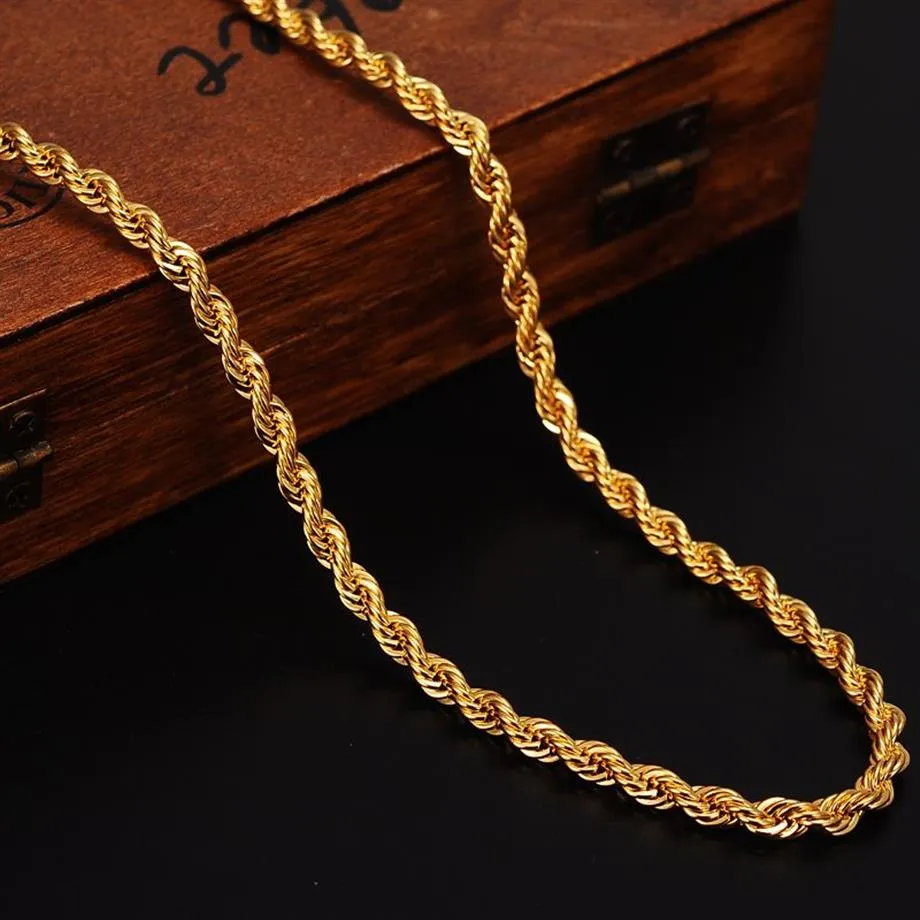
Check for skin tarnishing as a key indicator of a real 18K gold necklace. If the necklace leaves black marks or discolors the skin, it may not be authentic gold.
Skin reactions like irritation or tarnishing could signal a fake piece, so observe any changes after wearing the necklace.
Skin Reaction Test
Indications of a genuine 18K gold necklace can often be revealed through the absence of skin tarnishing or black marks when worn. Conduct a skin tarnishing test to check the authenticity of your gold jewelry.
To perform the test, wear the necklace and observe any changes on your skin over time. Authentic 18K gold doesn’t react with makeup, so it shouldn’t leave any black marks on your skin.
If you notice any tarnishing or discoloration on your skin after wearing the necklace, it may not be real 18K gold. Remember, a reliable test for the authenticity of your gold necklace is how it interacts with your skin.
Discoloration Indication
To assess the authenticity of your 18K gold necklace, closely monitor for any skin discoloration or tarnishing that may occur over time while wearing it. Genuine 18K gold won’t cause any skin discoloration or reactions, such as tarnishing or green marks.
If you notice discoloration on your skin from wearing the necklace, it could be an indication that the piece isn’t made of real gold. Skin tarnishing from an 18K gold necklace may suggest impurities or reactions with base metals, which are common in gold-plated or lower-quality items.
Testing for skin discoloration can be a helpful method to determine the authenticity of your 18K gold necklace.
Professional Appraisal
When seeking to authenticate an 18K gold necklace, turning to a professional jeweler for a thorough appraisal is a prudent step towards confirming its genuineness. Expert appraisers possess the skills and tools necessary to scrutinize the gold chain, ensuring it’s indeed made of real gold. Here are some reasons why a professional appraisal is crucial:
- Expert Evaluation: A professional jeweler can meticulously examine the necklace, evaluating its materials and craftsmanship to determine if it’s genuine.
- Specialized Testing: Appraisers may utilize advanced equipment and techniques to test the necklace’s purity, providing accurate insights into its gold content.
- Documentation and Certification: By seeking a professional appraisal, you can obtain official documentation and certification that verifies the authenticity and value of the 18K gold necklace.
- Peace of Mind: Especially for high-value or sentimental pieces, a professional appraisal offers reassurance and confidence in the quality and authenticity of your gold jewelry.
Nitric Acid Testing
In nitric acid testing, a drop of the acid is applied directly onto the 18K gold necklace to observe its reaction. Real 18K gold, being a non-reactive metal, shouldn’t show any discoloration or reaction when exposed to nitric acid. If the gold necklace turns green or fades when in contact with nitric acid, it suggests that the piece may be gold plated or made of a lower karat gold mixed with base metals.
Professionals often rely on nitric acid testing as a common and reliable method to authenticate the purity of 18K gold necklaces. By conducting a nitric acid test, experts can accurately determine the authenticity and purity of the gold without damaging the piece. This method is particularly useful when assessing gold jewelry that isn’t stamped or hallmarked, providing a quick and effective way to verify the quality of the gold used in the necklace. Nitric acid testing is an essential tool in the arsenal of techniques used to ensure the quality and value of 18K gold jewelry.
Gold Density
To check the authenticity of an 18K gold necklace, consider evaluating its density. Gold’s high density of 19.32 g/cm³ sets it apart from other metals, aiding in distinguishing real gold.
Gold Weight Comparison
With its high density of 19.32 g/cm³, gold stands out as one of the heaviest metals, making it a key factor in determining the authenticity of an 18K gold necklace. When comparing the weight of a gold necklace to its size, you can gauge its purity. Here’s why gold weight matters in identifying real gold:
- Authenticity: Real gold will feel noticeably heavier due to its high density.
- Quality: The weight of an 18K gold necklace reflects its purity and value.
- Substance: Genuine gold has a solid, substantial weight compared to imitations.
- Assurance: Understanding gold weight provides confidence in your purchase decisions.
Water Displacement Test
Considering the weight of a gold necklace as a key indicator of authenticity, now let’s explore the Water Displacement Test to determine the density of 18K gold.
The water displacement test is a reliable method to distinguish genuine 18K gold from imitations. Real 18K gold, known for its high density, will displace a specific volume of water when submerged. This test works on the principle that gold is denser than most metals; therefore, a genuine 18K gold necklace will displace a greater volume of water.
By comparing the amount of water displaced by the necklace to established standards, you can confirm if it’s made of authentic 18K gold or a different material.
The water displacement test is a straightforward yet effective way to verify the authenticity of an 18K gold necklace based on its density.
Ceramic Scratch Test
When conducting the ceramic scratch test to determine the authenticity of an 18K gold necklace, ensure you use a ceramic surface like a plate or tile to avoid any damage to the necklace. Real 18K gold will leave a gold mark on the ceramic, indicating its authenticity. Follow these steps for an effective test:
- Gently rub the 18K gold necklace against the ceramic surface to observe any marks left behind.
- Check for a distinct gold mark on the ceramic, which suggests the necklace is authentic.
- Use a ceramic plate or tile for the scratch test to prevent any scratches or harm to the necklace.
- Verify the gold mark left on the ceramic for a clear indication of the necklace’s authenticity.
Utilizing the ceramic scratch test is a straightforward and reliable method to help you determine if your 18K gold necklace is genuine. This test provides a visual indicator that can give you confidence in the authenticity of your precious piece.
Hallmarks Identification
Inspect the 18K gold necklace closely for hallmarks such as ’18K’ or ‘750’ to confirm its purity and quality. Hallmarks are tiny symbols or numbers stamped on jewelry to certify the metal content.
In the case of an 18K gold chain, a hallmark of ’18K’ indicates that the gold content is 75% pure gold, as 18 out of 24 parts are gold. These hallmarks serve as a crucial indicator of authenticity and quality.
To ensure the legitimacy of the hallmarks, it’s advisable to consult with a professional jeweler who can verify their accuracy. By identifying and understanding these hallmarks, you can reliably confirm whether your gold chain is indeed made of real gold.
Magnetism Check
To determine the authenticity of an 18K gold necklace, a simple and effective method is to conduct a magnetism check. When testing with a strong magnet, remember these key points:
- Real Gold: Genuine 18K gold necklaces don’t attract magnets due to their non-ferrous nature.
- Plated Concerns: If the necklace sticks to the magnet, it may contain other metals or be gold-plated.
- Magnetic Reaction: Use a strong magnet to test the necklace’s reaction; authentic gold won’t stick.
- Quick Authentication: Magnetic testing is a fast and straightforward method to assist in determining the authenticity of an 18K gold necklace.
Acid Testing
Acid testing is a precise method commonly utilized to determine the purity of gold in jewelry, including 18K gold necklaces. This test involves applying nitric acid to the metal to observe its reaction. Real 18K gold, being a non-reactive metal, won’t change color when exposed to nitric acid.
Acid testing kits containing the necessary materials can be purchased for conducting this test at home. It’s essential to remember that the acid test is a reliable method for verifying the authenticity of 18K gold necklaces.
When performing the acid test, ensure to work in a well-ventilated area due to the fumes produced by the nitric acid. Always follow safety precautions to prevent any accidents or injuries. By conducting an acid test on your 18K gold necklace, you can confidently determine whether it’s genuine or not.
Authenticity Confirmation
When confirming the authenticity of an 18K gold necklace, your first step is to check for a hallmark or stamp indicating ’18K’ or ‘750’ to verify the gold’s purity. This hallmark confirms that the necklace is made of at least 75% pure gold, ensuring its authenticity.
In addition to this initial check, there are several other methods to further confirm the legitimacy of your 18K gold necklace:
- Real 18K gold won’t react to a magnet, as gold isn’t magnetic, providing a simple yet effective way to test its authenticity.
- Consulting a jewelry expert for professional authentication and verification can offer peace of mind and expert confirmation of the gold’s purity.
- Conducting a specific gravity test to determine the density of the gold is another reliable method to confirm its authenticity.
- Real 18K gold will have a distinct weight and feel solid when held, distinguishing it from fake materials and further confirming its purity.
Fail-Safe Methods
For reliable confirmation of the authenticity of an 18K gold necklace, consulting a reputable jeweler is a fail-safe method that ensures accurate evaluation and verification. Reputable jewelers have the expertise and tools to distinguish between real 18K gold and gold plated pieces. They’ll meticulously examine the necklace, looking for clear and distinct hallmarks like ’18K’ or ‘750’ that indicate the gold’s purity.
Additionally, a specific gravity test can be conducted by the jeweler to determine the density of the gold, providing a reliable indicator of authenticity. This method is highly effective in differentiating between real 18K gold and imitations. By seeking assistance from experienced professionals, you can rest assured that the evaluation and authentication of your 18K gold necklace are conducted with precision and accuracy.
Remember to avoid purchasing 18K gold necklaces from unreliable sources and always prioritize reputable jewelers to ensure you’re getting a genuine product.