
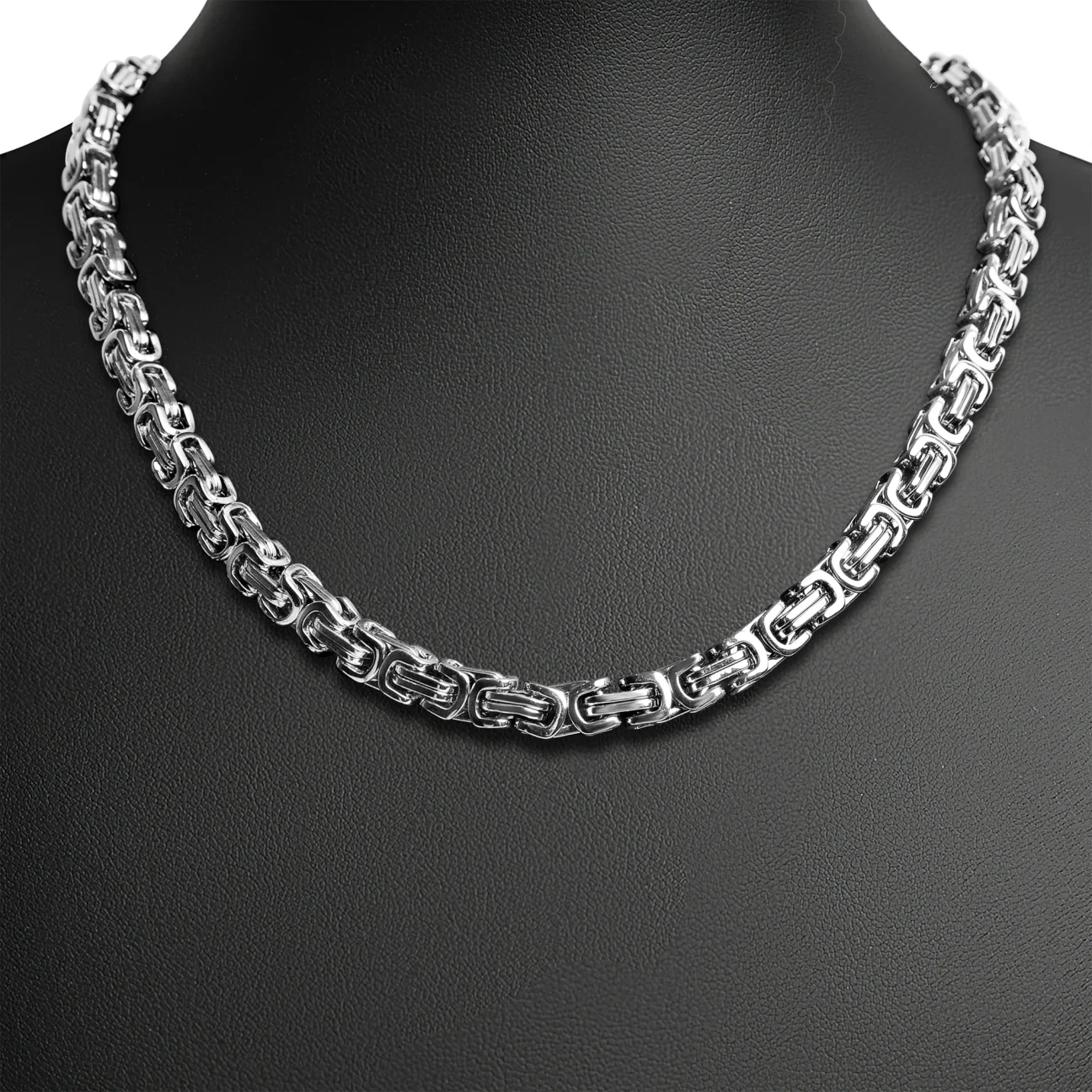
Stainless steel necklaces, with their high chromium content, resist rust exceptionally well. A protective layer forms on the surface when exposed to oxygen, preventing rust formation. This thin film acts as a barrier against corrosion, making them highly resistant. The chromium content, ranging from 10-30%, ensures the necklace’s durability and quality. Even in moist conditions, stainless steel necklaces remain tarnish-free and lustrous. Considering these factors, you can be confident that stainless steel necklaces are unlikely to rust, making them suitable for long-term wear. Further details on their rust-resistant properties and maintenance tips are available.
Rust Resistance of Stainless Steel
Stainless steel’s exceptional resistance to rust stems from the presence of chromium in the alloy, which forms a protective layer upon exposure to oxygen, safeguarding the necklace from corrosion. This protective layer is crucial in preventing the formation of iron oxide, commonly known as rust.
The chromium content in stainless steel reacts with the surrounding atmosphere, creating a barrier that shields the metal beneath. This inherent property makes stainless steel necklaces highly durable and suitable for daily wear, even in environments with high moisture levels.
The formation of this protective layer is a dynamic process, constantly renewing itself when exposed to oxygen, ensuring long-lasting rust resistance. To maintain this durability, proper care is essential.
Regular cleaning with mild soap and water, avoiding harsh chemicals, and storing the necklace appropriately when not in use can extend the lifespan of the stainless steel necklace and preserve its rust-resistant properties for years to come.
Benefits of Chromium in Stainless Steel
Chromium in stainless steel acts as a barrier, creating a protective layer that shields against rust and corrosion. This addition significantly boosts the metal’s resilience and longevity, making it an excellent choice for jewelry.
The presence of chromium ensures that your stainless steel necklace remains tarnish-free and maintains its luster over time.
Chromium’s Anti-Rust Properties
With its remarkable anti-rust properties, chromium plays a crucial role in stainless steel by forming a protective layer that shields against corrosion and oxidation. This thin, invisible layer acts as a barrier, effectively blocking oxygen and moisture from penetrating the inner metal, thus enhancing the rust resistance of stainless steel.
Typically found in concentrations of 10-30%, chromium content in stainless steel contributes significantly to its durability and longevity. The presence of chromium ensures that stainless steel remains highly resistant to rust, making it a preferred material for items like jewelry, including stainless steel necklaces.
Thanks to the protective shield created by chromium, stainless steel products, including necklaces, maintain their appearance and integrity over time, offering lasting wearability and aesthetic appeal.
Corrosion Resistance in Stainless
In stainless steel, the protective oxide layer formed by chromium plays a vital role in preventing rust and corrosion. Chromium enhances the corrosion resistance of stainless steel by forming a thin passive film on the surface, which acts as a barrier to external elements.
This barrier shields the steel from tarnishing and rust, making stainless steel necklaces with high chromium content less prone to deterioration over time. The presence of chromium also makes stainless steel ideal for jewelry exposed to moisture, as it ensures the material’s longevity by inhibiting the effects of corrosion.
Therefore, the corrosion-resistant properties of chromium in stainless steel contribute significantly to its durability and overall quality, especially in environments where moisture is a concern.
Durability of Stainless Steel
Enhancing the durability of stainless steel, the presence of chromium plays a crucial role in forming a protective layer that safeguards against rust and corrosion. Here’s why chromium content is vital in stainless steel jewelry:
- Improved Rust Resistance: A higher chromium content results in better resistance to rust formation, ensuring your stainless steel necklace maintains its quality over time.
- Reduced Tarnishing: The protective layer formed by chromium helps prevent tarnishing, keeping your necklace looking shiny and new with minimal maintenance required.
- Enhanced Durability: With the benefits of chromium, stainless steel necklaces become more durable and long-lasting, making them a reliable choice for everyday wear.
Protective Layer on Stainless Steel
Stainless steel develops a protective layer through its interaction with oxygen, which serves as a robust defense mechanism against rusting. This protective film acts as a barrier, shielding the stainless steel from corrosion and oxidation, key factors that can compromise its integrity.
The protective layer is essential for maintaining the durability and appearance of stainless steel jewelry, including necklaces. By forming this film, stainless steel becomes highly resistant to rust and tarnish, making it a popular choice for long-lasting accessories.
The protective layer is crucial in ensuring that the stainless steel necklace retains its quality over time, even with regular wear. It’s this inherent property of stainless steel to form a protective layer that distinguishes it from other metals and contributes significantly to its longevity and resistance to rust, ultimately offering consumers a durable and reliable jewelry option.
Factors Affecting Necklace Plating
Factors influencing the durability of necklace plating can vary based on exposure to external elements such as harsh chemicals, sweat, and moisture. When it comes to preserving the plating of your necklace, it’s crucial to consider the following:
- Proper Care: Providing proper care for your necklace, such as storing it in a jewelry box or a tarnish-resistant pouch when not in use, can significantly extend the lifespan of the plating.
- Maintenance: Regularly cleaning your necklace with a soft cloth and mild soap can help remove any buildup of dirt or oils that could potentially degrade the plating over time.
- Avoid Direct Contact: Avoiding direct contact between your necklace and harsh chemicals like perfumes, lotions, or hairsprays is essential. These substances can accelerate the deterioration of the plating, leading to a shorter lifespan for your necklace.
Impact of Harsh Conditions on Plating
Exposure to harsh conditions can significantly impact the plating on plated stainless steel necklaces, leading to accelerated fading and deterioration over time. Chlorine, commonly found in swimming pools, can react with the plating, causing it to fade more quickly. Saltwater, especially in high concentrations like in seawater, can also contribute to the deterioration of the plating on stainless steel necklaces. Additionally, direct sunlight exposure can lead to discoloration and a decrease in the luster of the plating over time.
To minimize the impact of harsh conditions on the plating of stainless steel necklaces, it’s essential to take proper care of them. Avoid exposing the necklaces to chlorine, saltwater, or direct sunlight for extended periods. When cleaning the necklaces, use gentle cleaning methods and avoid harsh chemicals that can damage the plating. Proper storage in a pouch or jewelry box away from direct sunlight can also help maintain the integrity of the plating. By following these precautions, you can prolong the lifespan and appearance of your plated stainless steel necklaces.
Importance of Proper Necklace Care
Proper care of your stainless steel necklace is crucial to prevent rust formation and maintain its appearance. To ensure your necklace stays in top condition, follow these essential care tips:
- Regular Cleaning: Clean your stainless steel necklace regularly with a soft cloth and mild soap. This helps remove dirt, oils, and other contaminants that can lead to rust formation over time.
- Avoid Exposure to Chemicals: Prevent rust by avoiding harsh chemicals, saltwater, and chlorine. These substances can corrode the stainless steel and compromise its integrity.
- Proper Storage: Store your necklace in a dry place away from moisture. Proper storage can help prolong the lifespan of your necklace and prevent it from rusting due to exposure to damp conditions.
Avoiding Exposure to Harsh Chemicals
To maintain the quality of your stainless steel necklace and prevent rusting, it’s imperative to be cautious of exposure to harsh chemicals like chlorine, cleaning agents, solvents, saltwater, and chemical-laden perfumes or body sprays.
Harsh chemicals such as chlorine can accelerate the rusting process of stainless steel necklaces, leading to tarnishing and deterioration of the metal.
Cleaning agents and solvents contain compounds that can react with the stainless steel, causing it to tarnish over time.
Saltwater is another culprit that can compromise the integrity of your necklace, so it’s essential to avoid prolonged exposure to it.
Additionally, chemical-laden perfumes and body sprays can corrode the surface of the stainless steel, further increasing the risk of rust formation.
Regular Cleaning for Necklace Maintenance
Regularly cleaning your stainless steel necklace is essential to maintain its appearance and prevent rust. Follow these guidelines to ensure your necklace stays in top condition:
- Use a Soft Cloth: After wearing your stainless steel necklace, gently wipe it down with a soft cloth to remove oils and dirt that can lead to tarnishing and rusting.
- Avoid Harsh Chemicals: Refrain from exposing your necklace to harsh chemicals, saltwater, and chlorine as these substances can cause corrosion and diminish the shine of the stainless steel.
- Follow Care Instructions: Adhere to the care instructions provided by the manufacturer to keep your necklace rust-free. These instructions are tailored to the specific type of stainless steel used in your necklace and can help prolong its lifespan.
Soft Cloth for Cleaning Stainless Steel
When cleaning stainless steel jewelry, utilizing a soft cloth is crucial for gentle and effective removal of dirt and smudges.
Incorporating a soft cloth into your maintenance routine helps prevent scratches and maintains the shiny appearance of your stainless steel pieces.
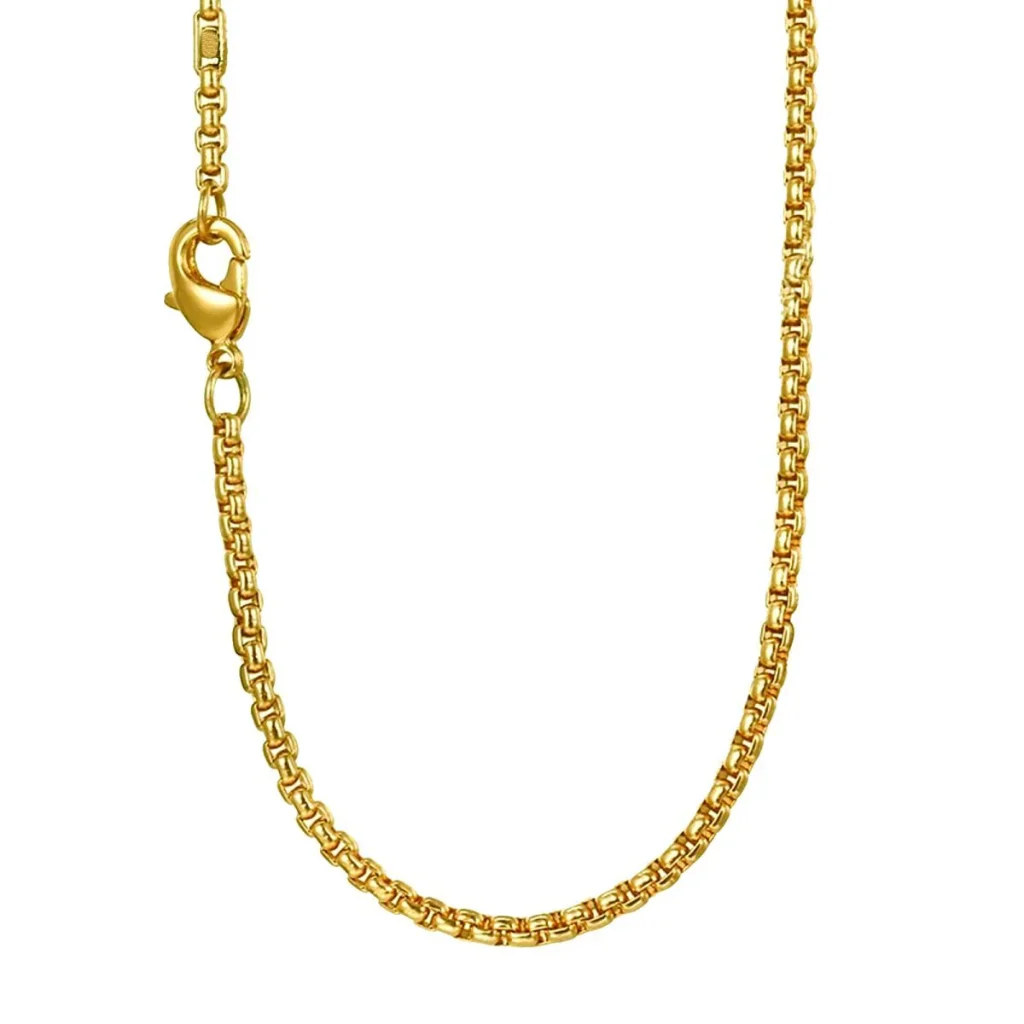
Gentle Cleaning Method
For optimal cleanliness and maintenance of your stainless steel necklace, employ a microfiber cloth to gently remove dirt and grime without causing any scratches. Using abrasive materials can damage the surface of the jewelry, leading to potential tarnishing.
Here are three key points to guide you in the gentle cleaning process:
- Choose the Right Cloth: Select a soft microfiber cloth to clean your stainless steel necklace effectively without scratching it.
- Gentle Wiping Motion: Use gentle, circular motions to wipe down the necklace, ensuring thorough cleaning while preserving its shine.
- Regular Cleaning Routine: Incorporate regular cleaning sessions with a soft cloth to prevent dirt buildup and maintain the stainless steel’s luster.
Proper Maintenance Routine
To maintain the cleanliness and shine of your stainless steel necklace, utilize a soft cloth for gentle cleaning and upkeep.
Regularly wipe down your stainless steel necklace with a soft cloth to prevent dust and dirt buildup, as well as to remove smudges and fingerprints.
Avoid using abrasive materials or harsh chemicals during the cleaning process to prevent any potential scratches or damage to the surface.
Gently buffing the stainless steel necklace with a soft cloth will help maintain its shine and luster over time.
Preventing Tarnish and Rust
Using a soft cloth for cleaning stainless steel necklaces is crucial in preventing tarnish and rust buildup. When it comes to maintaining your stainless steel jewelry, a soft cloth can be your best friend. Here are a few reasons why:
- Gentle Cleaning: A soft cloth is gentle on the metal surface and helps remove dirt and oils without causing damage.
- Shine and Luster: Regularly wiping down the necklace with a soft cloth helps maintain its shine and luster.
- Avoid Damage: By using a soft cloth, you can avoid the use of harsh chemicals or abrasive materials that may harm your stainless steel necklace.
Tarnish Prevention for Stainless Steel
Stainless steel’s resistance to tarnish is a result of its ability to form a protective film with oxygen, preventing corrosion and rust. This protective layer is formed because of the alloying elements present in stainless steel, which interact with the environment to inhibit tarnishing. Stainless steel jewelry is particularly known for its non-tarnishing properties due to its unique composition. However, plated stainless steel jewelry may fade over time, especially when exposed to harsh elements.
To prevent tarnish and maintain the shine of stainless steel jewelry, regular cleaning is essential. Cleaning with mild soap and water can help remove dirt, oils, and other contaminants that may lead to tarnishing. It’s important to dry the jewelry thoroughly after cleaning to prevent water spots or stains. Additionally, storing stainless steel jewelry in a dry and air-tight container when not in use can further prevent tarnishing. By following these practices, you can prolong the luster and durability of your stainless steel jewelry.
Durability of Stainless Steel Jewelry
Stainless steel jewelry boasts exceptional durability, attributed to its rust resistance and robust alloy composition.
The longevity of stainless steel accessories is a result of the protective chromium layer that inhibits rust formation, ensuring their longevity.
To maintain the pristine condition of your stainless steel jewelry, adhere to proper care practices to extend its lifespan and preserve its aesthetic appeal.
Rust Resistance in Stainless Steel
With its alloy composition primarily consisting of iron and chromium, stainless steel jewelry showcases exceptional rust resistance, making it a top choice for long-lasting wear.
Here are three key points to understand the rust resistance in stainless steel jewelry:
- Alloy Composition: Stainless steel’s rust-resistant properties stem from its alloy composition, particularly the inclusion of chromium which forms a protective layer.
- Chromium Protection: The chromium content in stainless steel acts as a barrier, preventing rust and corrosion, ensuring durability even in moisture-prone environments.
- Moisture Resistance: High-quality stainless steel necklaces are designed to withstand exposure to moisture and humidity, making them ideal for everyday wear without the risk of rusting.
Longevity of Stainless Jewelry
Ensuring the longevity of stainless steel jewelry relies heavily on its exceptional durability and rust resistance properties.
Stainless steel is highly durable and resistant to rust due to its alloy composition, making it a high-quality choice for long-lasting wear. Proper care and maintenance are crucial in preserving the longevity of stainless steel necklaces.
The corrosion-resistant nature of stainless steel further enhances its durability and resistance to rust, ensuring that your jewelry stays in excellent condition for years to come.
Maintenance Tips for Stainless
Regularly cleaning your stainless steel necklace with a soft cloth can help maintain its shine and longevity, ensuring it remains in excellent condition over time. To ensure the durability of your stainless steel jewelry, follow these maintenance tips:
- Clean Gently: Use a soft cloth to wipe off dirt and oils regularly.
- Avoid Harsh Chemicals: Steer clear of exposing your necklace to harsh chemicals, chlorine, or saltwater to prevent tarnishing.
- Proper Storage: Store your stainless steel necklace in its original pouch to protect it from moisture and sunlight, preserving its quality for longer periods.
Longevity of Stainless Steel Necklaces
To maximize the longevity of stainless steel necklaces, it’s essential to understand the protective properties provided by their chromium content and alloy composition.
Stainless steel necklaces are inherently durable and resistant to rust due to the presence of chromium, which reacts with oxygen to form a thin, invisible layer on the surface that protects the metal from corrosion. This alloy composition acts as a barrier, preventing moisture and other corrosive elements from reaching the underlying steel.
With proper care and maintenance, such as avoiding exposure to harsh chemicals and regularly cleaning the necklace, its durability can be significantly extended. Stainless steel necklaces are designed for daily wear and can withstand water and moisture without rusting, making them ideal for long-term use.
Choosing a high-quality stainless steel necklace further ensures longevity, as it reduces the risk of rusting and ensures that the protective properties of the chromium content remain intact over time.
Maintenance Tips for Stainless Steel
To maintain the pristine condition of stainless steel necklaces, proper care and attention must be given to their maintenance routine to prevent tarnishing and corrosion. Follow these maintenance tips to ensure the longevity of your stainless steel jewelry:
- Regular Cleaning: After wearing your stainless steel necklace, use a soft microfiber cloth to wipe away oils and dirt. For deeper cleaning, use mild soap and water to prevent tarnishing and keep your necklace looking its best.
- Avoid Harsh Chemicals: Prevent rusting by avoiding exposure to harsh chemicals, chlorine, and saltwater. Chemicals can react with the stainless steel and cause corrosion, so it’s essential to keep your necklace away from these substances.
- Proper Storage: Store your stainless steel necklaces in a dry place away from direct sunlight. This storage advice helps maintain the quality of the necklace by preventing unnecessary exposure to environmental factors that could lead to tarnishing or corrosion. Remember, prevention is key to preserving the beauty of your stainless steel jewelry.
Retaining Appearance of Stainless Steel
To maintain the appearance of your stainless steel necklace, focus on preventing rust formation by avoiding exposure to harsh chemicals and extreme conditions.
Utilize proper cleaning techniques and regular maintenance to ensure the protective film of chromium remains intact.
Additionally, store your necklace properly when not in use to prolong its durability and aesthetic appeal.
Preventing Rust Formation
Proper care and maintenance play a crucial role in retaining the appearance of stainless steel necklaces, ultimately preventing rust formation. Stainless steel’s alloy composition, particularly the presence of chromium, forms a protective oxide layer that shields against rust. To ensure your stainless steel necklace stays rust-free, follow these tips:
- Avoid harsh chemicals: Chemicals can damage the protective oxide layer, leaving the stainless steel vulnerable to rust.
- Store properly: Store your necklace in a dry place away from moisture to prevent oxidation and rusting.
- Regular cleaning: Clean your stainless steel necklace with mild soap and water to maintain its integrity and appearance.
Cleaning Techniques
To maintain the appearance of your stainless steel necklace and prevent rust formation, utilizing proper cleaning techniques is essential. Begin by mixing mild soap with water and using this solution to gently cleanse the necklace’s surface. Avoid abrasive materials like toothpaste or paper towels to prevent scratches.
For stubborn dirt, employ a soft-bristled brush, ensuring no harm comes to the metal. After cleaning, dry the necklace thoroughly with a soft cloth to prevent water spots or residue.
Regular cleaning of your stainless steel necklace will help preserve its shine and prevent tarnishing over time. By following these cleaning techniques, you can keep your stainless steel necklace looking its best for longer.
Proper Storage Methods
Store your stainless steel necklaces in a dry environment to prevent rust formation and maintain their appearance. Follow these steps to ensure the longevity of your stainless steel jewelry:
- Choose the Right Storage: Opt for a jewelry box or pouch to shield the necklace from moisture and air, preventing oxidation.
- Avoid Damp Environments: Keep your stainless steel necklaces away from humid or damp areas to prevent rusting and tarnishing.
- Regular Cleaning and Polishing: Maintain the shine of your necklace by cleaning and polishing it regularly to prevent tarnishing and preserve its original appearance.
Tarnishing Risks for Stainless Steel
Stainless steel necklaces, despite their high resistance to rust, still face potential tarnishing risks due to various factors. When it comes to plated stainless steel necklaces, the thin layer of plating can wear off over time, exposing the underlying metal to tarnish. Proper care plays a crucial role in maintaining the luster of stainless steel jewelry. Regular cleaning with mild soap and water, avoiding harsh chemicals, and storing the necklace in a dry place can help prevent tarnishing. Additionally, hypoallergenic stainless steel necklaces are an excellent choice for individuals with sensitive skin, as they are less likely to cause irritation or allergic reactions.
| Factors | Description |
|---|---|
| Plated Stainless Steel | The plating on stainless steel necklaces can wear off, leading to tarnishing of the base metal. |
| Corrosion Resistance | Stainless steel’s chromium content creates a protective film that helps prevent corrosion. |
| Proper Care | Regular cleaning and avoiding harsh chemicals can maintain the shine and longevity of the necklace. |
| Hypoallergenic | Ideal for those with sensitive skin, hypoallergenic stainless steel necklaces reduce the risk of skin reactions. |