

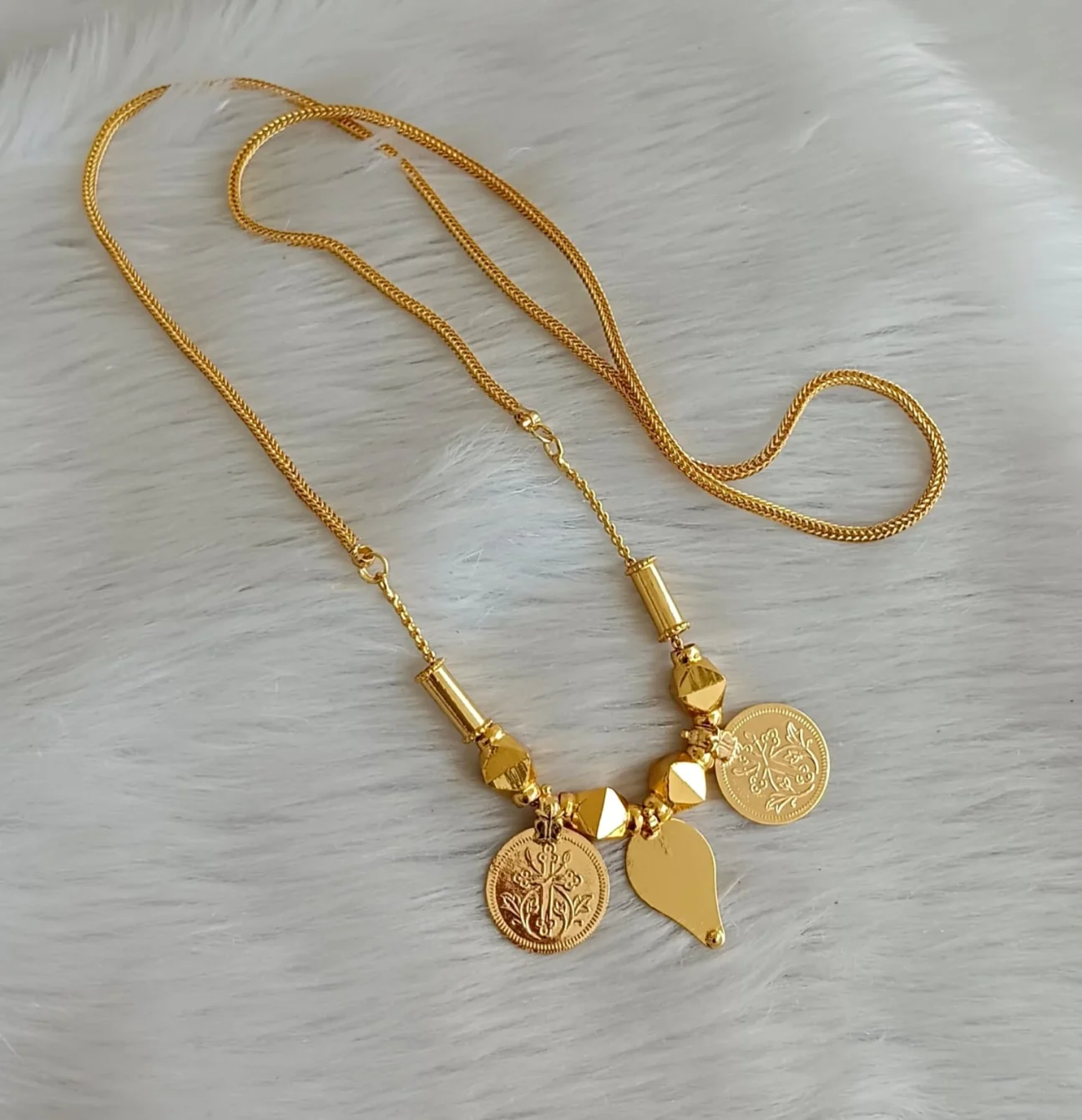
Immerse yourself in the cultural richness of Hindu matrimonial traditions with the Thali necklace, a sacred emblem of marital commitment and status. Also known as Mangalsutra, it symbolizes the bond of marriage with its intricate designs and materials like gold. Different regions in India boast unique Thali styles reflecting deep-rooted customs and beliefs. Thali necklaces, passed down through generations, carry profound meanings. The symbolic pendants often feature deities like Goddess Lakshmi, adding spiritual and cultural value. Discover the evolution of these timeless pieces, blending tradition with modern design elements, appealing to brides seeking a blend of heritage and contemporary allure.
Cultural Significance of Thali Necklaces
Culturally revered and deeply symbolic, the Thali necklace holds a prominent place in Hindu matrimonial traditions as a sacred emblem of marital commitment and status. This traditional necklace, also known as Mangalsutra, isn’t merely a piece of jewelry but a profound marriage symbol deeply ingrained in Hindu culture.
Worn by married women, the Thali necklace typically features a gold pendant intricately designed and hung from a yellow thread or black beaded chain. The act of tying the Thali knot during the wedding ceremony signifies the sacred union of two individuals and their families, symbolizing the bond of marriage in Hindu traditions.
Beyond its ornamental value, the Thali necklace is believed to bring good luck, happiness, and prosperity to the wearer. It’s considered inauspicious to break or lose this symbolic necklace. Different regions in India boast unique Thali designs such as Minnu, Ela, Ramar, and Bottu, each with specific patterns and symbolic elements that reflect the rich cultural diversity and heritage of the country.
Materials Used in Thali Necklaces
What materials traditionally form the intricate Thali necklaces deeply rooted in South Indian culture?
Thali necklaces are predominantly crafted from gold, a metal that holds immense sacred significance in Hindu culture. While traditional designs focus on the purity and elegance of gold, modern variations may incorporate diamonds or other precious stones to enhance their beauty.
These necklaces feature elaborate patterns, religious motifs, and symbolic elements that reflect the rich cultural heritage and traditions of South Indian culture.
Thali necklaces aren’t merely accessories; they’re considered heirlooms passed down through generations and symbols of marriage in South Indian communities.
The choice of materials and the craftsmanship involved in creating these necklaces play a crucial role in preserving and celebrating the cultural identity of the wearers, making them cherished pieces that carry stories of tradition, love, and commitment within their gleaming gold and intricate designs.
Symbolism Behind Thali Pendant Designs
Amidst the intricate floral, spherical, and cylindrical elements adorning Thali pendant designs, the obverse side captivates with a symbolism deeply intertwined with South Indian cultural heritage. These pendants hold great symbolic significance, often featuring the image of Goddess Lakshmi seated on a lotus throne on the reverse side. The intricate elements surrounding the Goddess, including mythical female beings on a floriated ground, add to the spiritual and cultural value of the Thali pendant.
In South India, particularly within the Chettiar community tradition in the Tiruchirapalli district, Thali pendants play a vital role in marriage ceremonies. The floral designs and mythical beings depicted on these pendants aren’t merely ornamental but carry profound meanings rooted in local customs and beliefs. Over time, Thali pendant designs have evolved, adapting to changing styles and materials while maintaining their significance in rituals and traditions associated with marriage and cultural heritage.
Rituals and Traditions of Thali Necklaces
Thali necklaces hold profound significance in Hindu wedding ceremonies, embodying the sacred union and commitment between married individuals. These necklaces are more than just ornamental jewelry; they symbolize the sacred bond of marriage. Typically featuring a gold pendant, thali necklaces are worn by married women as a sign of their marital status and dedication to their spouse. The intricate designs, beads, and motifs on the thali necklace are customized to reflect various deities, offering protection and blessings to the couple.
One of the most significant rituals during a Hindu wedding is tying the thali knot. This ritual marks the official union of the bride and groom, as well as their families. The act of tying the thali knot is a symbolic gesture that signifies the lifelong commitment and love between the couple. Thali necklaces aren’t just accessories; they’re cherished heirlooms passed down through generations, carrying sentimental value and reminding each wearer of their wedding vows and the rich traditions of their culture.
Evolution of Thali Necklaces in Modern Times
The evolution of Thali necklaces in modern times showcases a harmonious blend of traditional symbolism and contemporary design elements, reflecting the dynamic cultural landscape of Indian weddings.
Modern Thali necklaces have evolved to feature intricate detailing and contemporary styles, catering to changing preferences while still honoring their cultural significance. These necklaces now incorporate a fusion of traditional elements with modern aesthetics, creating a unique and striking appearance that appeals to brides seeking a blend of tradition and modernity on their special day.
Jewelers offer customizable options for Thali necklaces, allowing brides to add personal touches and make the piece truly their own. By incorporating gemstones, diamonds, and other precious materials, Thali necklaces have been enhanced in their beauty and elegance, further highlighting their evolution in modern times.
The evolution of Thali necklaces signifies a perfect marriage of tradition and modern design, capturing the essence of Indian weddings in a contemporary light.