
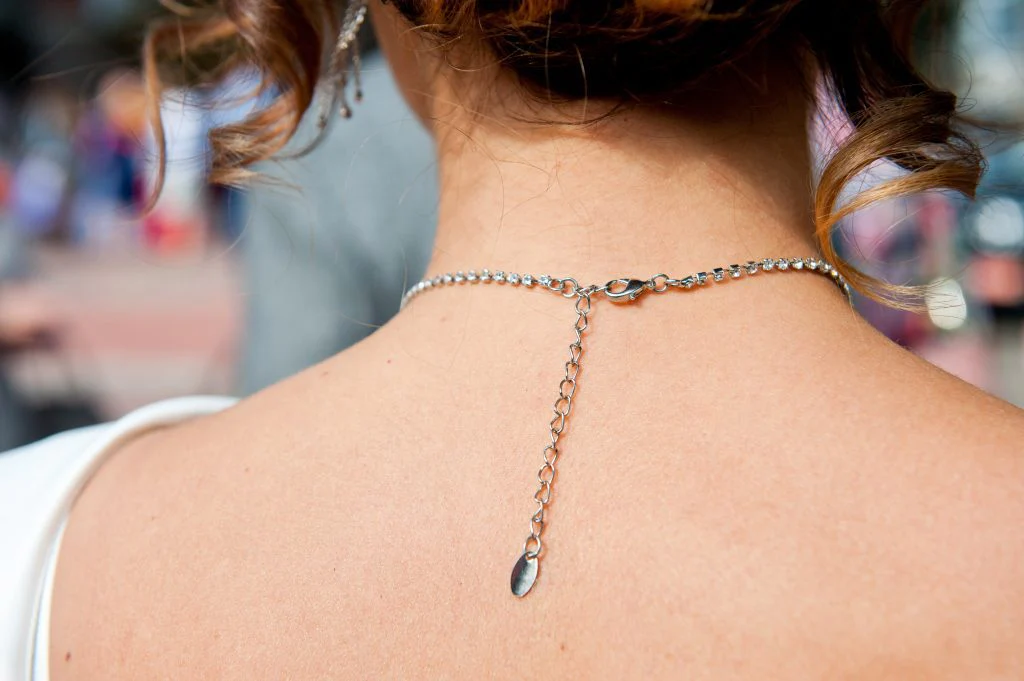
In the world of jewelry, the tiny but powerful piece that closes your necklace securely is known as the clasp. It’s essential for keeping your necklace in place and comes in various types like lobster, spring ring, toggle, and more. The clasp not only secures your jewelry but also adds to its style and functionality. Learning about different clasp varieties and their maintenance can help you choose the right one for your necklace. Understanding the importance of clasps goes beyond just their basic function. Curious to explore more about necklace clasps and their significance?
Common Types of Necklace Clasps
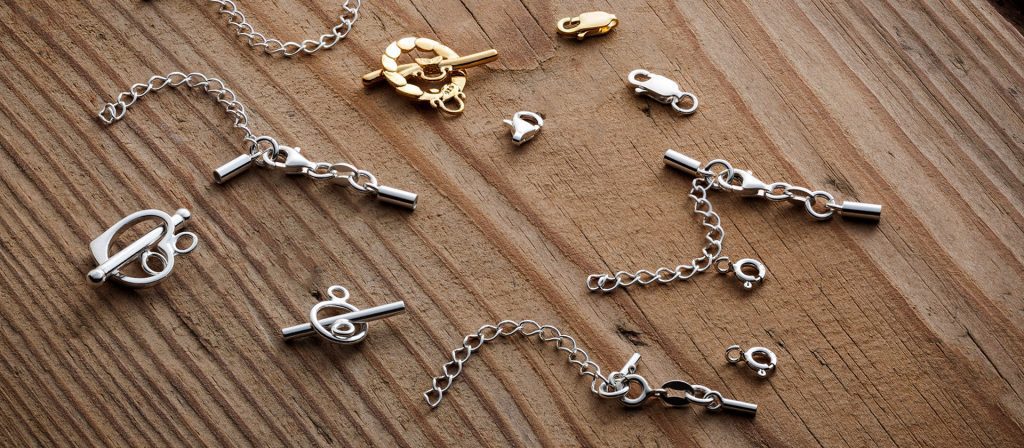
When exploring the world of necklace clasps, understanding the common types can greatly enhance your jewelry knowledge and selection process. Necklaces come in various styles and designs, and the clasp plays a crucial role in both the aesthetics and functionality of the piece. Common types of necklace clasps include the lobster clasp, spring ring clasp, toggle clasp, magnetic clasp, and barrel clasp.
The lobster clasp is the most widely used type of clasp due to its secure closure and versatility, making it suitable for different necklace styles. Spring ring clasps are known for their simplicity and reliability, often found on lightweight necklaces for their classic design. Toggle clasps add a decorative touch to jewelry with their bar and ring components and provide secure closures when appropriately sized. On the other hand, magnetic clasps are convenient for individuals with arthritis, being easy to use, although they aren’t recommended for heavy necklaces and mightn’t be strong enough for certain styles of jewelry. Understanding these common clasp types can help you choose the right one for your necklace needs.
Function of Necklace Clasps
Necklace clasps play a crucial role in securing your jewelry in place. Understanding the different types of clasps, from lobster to magnetic, can help you choose the right one based on functionality and style.
The mechanics of how a clasp works are essential for easy wearing and removal of your necklace.
Clasp Types
In the realm of jewelry design, understanding the various types of clasps plays a crucial role in ensuring the functionality and aesthetic appeal of necklaces and bracelets. Different types of clasps cater to diverse needs, from security to ease of use. Here is a table highlighting some common clasp types:
| Clasp Type | Description |
|---|---|
| Lobster Claw | Secure closure, easy to use |
| Spring Ring | Small lever mechanism for lightweight jewelry |
| Ring Clasp | Circular design, classic appearance |
| Hook and Eye | Simple hook closure |
| Magnetic Clasp | Easy to fasten, may not be suitable for all jewelry |
Each clasp type brings its unique features to jewelry, catering to both practicality and style.
Clasp Mechanics
One common element that often goes unnoticed but plays a vital role in the functionality and security of your necklace is the intricate mechanism of the clasp. Understanding the mechanics of Jewelry Clasps can enhance your appreciation for their importance in keeping your chain secure and stylish.
Here are three key points to consider regarding Clasp Mechanics:
- Different Types: Explore the various clasp options available, such as lobster, spring ring, toggle, barrel, and magnetic clasps.
- Secure Functionality: The clasp ensures that your necklace stays in place when worn, providing both security and peace of mind.
- Ease of Use: Different clasp designs offer varying levels of convenience, making it easier for you to put on and take off your necklace effortlessly.
Importance of Necklace Clasps
When choosing a necklace clasp, the functionality, type, and durability are key factors to consider. Understanding how different types of clasps work can help you select the most suitable one for your necklace.
The right clasp not only secures your necklace but also complements its design, ensuring both style and security.
Clasp Functionality Explained
Necklace clasps serve as essential components, ensuring the secure closure of the jewelry piece around your neck. Understanding the functionality and design of these clasps is crucial for the overall security and usability of your necklace.
Here are some key points to consider:
- Preventing Loss: Clasps keep your necklace securely fastened, preventing it from accidentally slipping off.
- Ease of Use: The right clasp type can make it easier to put on and take off your necklace.
- Aesthetic Appeal: Clasps can also contribute to the overall design and style of your necklace, enhancing its beauty and uniqueness.
Types of Necklace Clasps
Understanding the various types of necklace clasps is pivotal for ensuring both the security and aesthetic appeal of your jewelry piece.
The lobster clasp, the most common type, provides a secure closure suitable for everyday wear.
For lightweight necklaces, the spring ring clasp offers simplicity and reliability.
Statement necklaces often feature toggle clasps, combining decorative elements with a secure closure.
Magnetic clasps, convenient for those with arthritis, are best for lighter necklaces due to their closure strength.
Box clasps, found in high-end jewelry, offer a sleek design and secure closure mechanism.
Choosing the right clasp for your necklace not only ensures its safety but also enhances its overall look and feel.
Clasp Durability Factors
Ensuring the durability of your necklace clasp is paramount to maintaining the security of your jewelry piece during daily wear. When considering the longevity of your necklace clasp, several factors come into play:
- Material Quality: Opt for high-quality metals like sterling silver or gold for increased durability.
- Design Complexity: While intricate designs offer a secure closure, they may be more prone to damage over time.
- Closure Mechanism: Choosing a necklace clasp with a reliable closure mechanism, such as a lobster clasp or barrel clasp, can significantly enhance the overall durability of your jewelry piece. Selecting a sturdy closure mechanism ensures your necklace stays in place and securely fastened throughout the day.
Necklace Clasp Varieties
When exploring necklace clasp varieties, it’s essential to understand the diverse range of designs available, each serving specific functions and adding unique aesthetic elements to your jewelry piece. Below is a table highlighting some common necklace clasp varieties and their characteristics:
| Clasp Type | Description | Common Use Cases |
|---|---|---|
| Lobster Claws | Small, spring-loaded clasps that are sturdy and reliable. | Everyday necklaces |
| Barrel Clasp | Two metal pieces screw together for a secure closure. | Heavier necklaces |
| Hook Clasp | Features a hook that fits into a ring, easy to use and elegant. | Bohemian or casual styles |
| S-Hook | S-shaped clasp that hooks into a ring, simple and versatile. | Various necklace styles |
| Magnetic Clasps | Clasps that use magnets for easy one-handed closure, popular for simplicity. | Lightweight necklaces |
Understanding the different necklace clasp varieties allows you to choose the one that best suits your style and needs. Each clasp type offers its unique blend of functionality and aesthetics to enhance your jewelry piece.
Choosing the Right Clasp
Consider the weight and style of your necklace to select a clasp that securely complements your jewelry piece. When choosing the right clasp for your necklace or bracelet, make sure to keep the following in mind:
- Chain Styles: Different chain styles may require specific clasp types to ensure a proper fit and secure closure.
- Metal Type: The metal of your clasp should match the rest of your jewelry to maintain a cohesive look.
- Secure Clasp: Opt for a clasp that works best for you – whether it’s a lobster clasp for its secure closure, a toggle clasp for decorative purposes, or a magnetic clasp for ease of use.
Maintaining Necklace Clasps
To maintain the longevity and functionality of your necklace clasps, regular inspection for wear and cleaning with a polishing cloth are essential practices. Ensuring that your jewelry clasps and closures are in good condition is crucial to prevent any unexpected mishaps.
Regularly inspect the clasp for any signs of wear, such as loose components or damage. Use a polishing cloth to clean the clasp and prevent tarnishing, keeping it looking as good as new. It’s important to avoid exposing the clasp to harsh chemicals or extreme temperatures to maintain its integrity.
Before wearing the necklace, always double-check that the clasp is securely fastened to prevent any accidental loss. If you notice any issues with the clasp, seek professional help for repair or replacement to prevent further damage to your beloved necklace.