
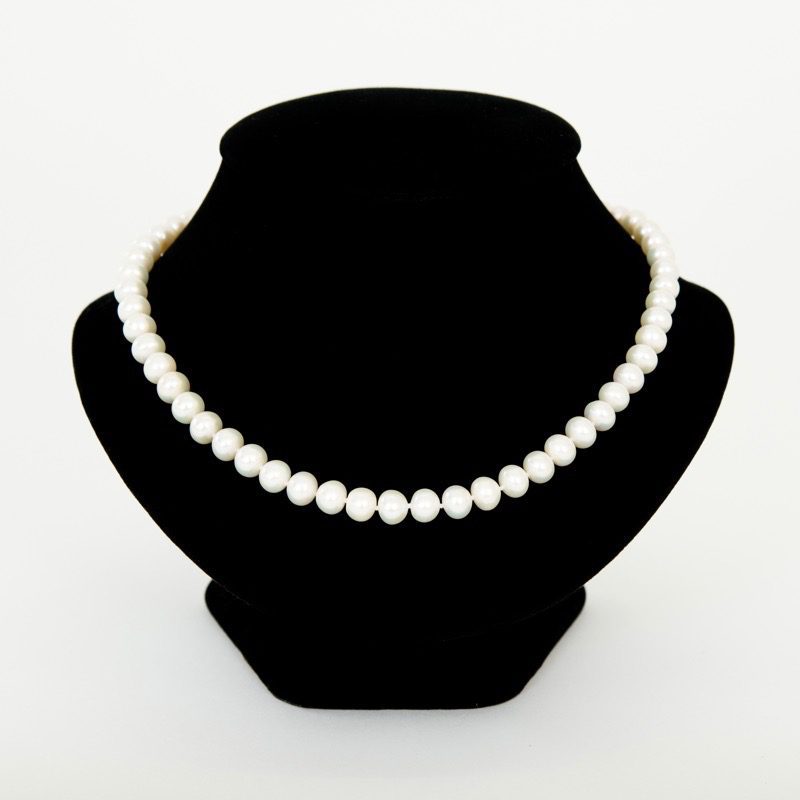
When looking to buy a real pearl necklace, prices vary from $150 to over $10,000 based on factors like pearl type, size, quality, brand reputation, and design complexity. Starting at $203, freshwater pearl necklaces offer a more affordable option, while luxury choices can reach up to $24,072. Discounts up to 50% are occasionally available, influenced by pearl type, quality, size, and design. Understanding the elements that impact pricing will help you make an informed decision on your purchase. The variation in prices reflects the diverse offerings in the market, catering to different preferences and budgets.
Factors Affecting Real Pearl Necklace Prices
When determining the price of a real pearl necklace, various factors come into play, significantly influencing the overall cost. Factors such as pearl type, size, quality, brand reputation, and design complexity all play a role in determining the final price.
Pearl type is a key determinant, with Freshwater pearls generally being more affordable than South Sea pearls due to differences in rarity and cultivation processes.
The size of pearls used in a necklace is crucial, as larger pearls tend to command higher prices due to their scarcity and visual impact.
The quality of pearls, including factors like luster, surface quality, and shape, plays a vital role in pricing, as these characteristics directly affect the overall aesthetic and desirability of the necklace.
Jewelry brand reputation is also a significant influencer, with renowned brands such as Mikimoto setting high standards for quality and craftsmanship, thus leading to premium pricing.
Furthermore, the design complexity of the necklace, such as the number of strands, inclusion of gemstones, and intricate settings, can further elevate the cost based on the labor and materials involved.
Price Range for Natural Pearl Necklaces
Real pearl necklaces exhibit a wide price range, determined by factors such as pearl type, quality, and size, with prices varying from $150 to over $10,000.
For those seeking budget-friendly options, Freshwater pearl necklaces are available starting from $203, offering affordability without compromising on elegance.
On the other end of the spectrum, luxurious options like the Hanadama Akoya Pearl Necklaces can reach prices as high as $24,072, showcasing exquisite craftsmanship and premium quality pearls.
Moreover, discounts of up to 50% are occasionally offered on various natural pearl necklaces, presenting opportunities to acquire high-quality pieces at more accessible price points.
Retail prices for natural pearl necklaces are significantly influenced by the type of pearls used, their size, overall quality, and the intricacy of the necklace’s design.
Whether you’re looking for a modest yet elegant piece or a luxurious statement necklace, the price range for real pearl necklaces caters to a wide range of preferences and budgets.
Value Determinants in Pearl Necklace Pricing
Determining the value of a pearl necklace hinges significantly on the type of pearls used and their respective characteristics. Pearl type is a key determinant, with Freshwater pearls generally being more affordable compared to the luxurious South Sea pearls.
The size of pearls in a necklace also plays a crucial role in pricing, as larger pearls tend to command higher prices due to their rarity and desirability. The quality of pearls is a major factor influencing the cost, with considerations such as luster, surface quality, shape, and color all impacting the overall value of the necklace.
Moreover, the reputation of different jewelry brands for quality and craftsmanship can affect pricing, with renowned brands often charging premium prices for their pearl necklaces. Additionally, the complexity of the necklace design, including elements like gold accents or unique clasps, can further contribute to the final cost of a real pearl necklace.
Impact of Rarity and Provenance on Prices
When assessing the pricing of real pearl necklaces, it’s crucial to consider the impact of rarity and provenance on the overall cost.
The rarity of pearl types like Hanadama Akoya, Tahitian, and South Sea pearls can significantly influence necklace prices, while the provenance, encompassing factors like origin and quality grading, plays a vital role in determining the value of these precious gems.
Factors such as size, shape, color, and surface quality contribute to the rarity and provenance of pearls, ultimately affecting their pricing in the market.
Rarity’s Price Influence
The value of a real pearl necklace can be significantly influenced by the rarity and provenance of the pearls used in its creation. Rare natural pearls or large, perfectly round pearls are highly sought after, commanding higher prices due to their limited availability.
Provenance, which refers to the origin of the pearls, plays a crucial role in determining the value of a pearl necklace. Unique characteristics such as rare color variations like black Tahitian pearls or pink freshwater pearls can also impact the price.
Factors like exceptional quality, large sizes, and distinct shapes further contribute to the overall value of a real pearl necklace. Understanding the rarity and unique features of pearls is essential when considering the price of a genuine pearl necklace.
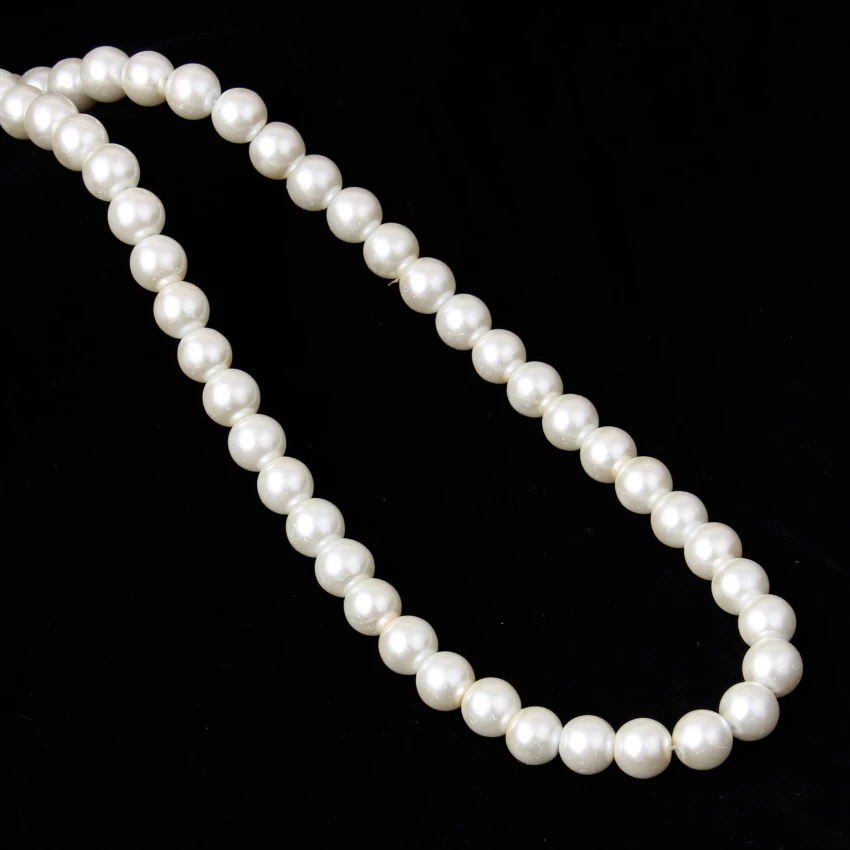
Provenance’s Value Impact
Rarity and provenance play a pivotal role in shaping the value of a real pearl necklace. The market value of pearls is influenced by their provenance, with historic or celebrity connections often driving prices higher.
Pearls originating from specific regions or possessing unique characteristics are considered rarer and therefore command increased prices. Limited availability of certain types of pearls further escalates their market value, as scarcity enhances their desirability.
Provenance details such as the pearl’s origin, historical significance, and previous notable ownership can significantly add to the allure and cost of a real pearl necklace. When considering the purchase of a pearl necklace, understanding the impact of rarity and provenance is essential in determining its value and exclusivity in the market.
Considerations for Authentic Pearl Necklace Investment
When considering an authentic pearl necklace as an investment, it’s essential to focus on pearl quality factors and investment value insights. Understanding the type of pearls, their grading system, and the reputation of the brand can significantly impact the overall cost and value of the necklace.
Pearl Quality Factors
Considering a real pearl necklace as an investment necessitates a thorough evaluation of pearl quality factors to ensure a wise purchase decision. Factors such as Akoya pearls, including the premium Hanadama pearls, Tahitian pearls, and South Sea pearls, play a significant role in determining the overall quality and value of the necklace.
Understanding pearl grading, which assesses characteristics like size, luster, surface quality, and shape, is crucial when assessing the quality of pearls. Additionally, the reputation of the jewelry brand can also influence the price and perceived value of the necklace.
Investment Value Insights
To assess the investment potential of an authentic pearl necklace, understanding the distinctive value propositions associated with various types of pearls becomes paramount. The type of pearls, such as Akoya, Tahitian, or South Sea, plays a crucial role in determining the investment value of a necklace.
Factors like quality, rarity, and desirability of these pearls significantly impact their worth as an investment. Different grades of pearls also contribute to their market value, with higher grades commanding premium prices.
Keeping abreast of market trends is essential for making informed decisions when considering a real pearl necklace as an investment. By analyzing the type of pearls, their quality, and how these factors align with current market demands, you can better gauge the investment potential of a real pearl necklace.
Real Pearl Necklace Auction Prices
The recent sale of the La Peregrina pearl necklace in 2011 set a record price of $11.8 million at auction. Several other notable pearl necklaces have also fetched significant sums in auctions. Below is a summary of some of these auctions:
| Pearl Necklace | Auction Price |
|---|---|
| La Peregrina | $11.8 million |
| Baroda Pearl Necklace | $7.1 million |
| Big Pink Pearl | $4.7 million |
| Duchess of Windsor Pearl Necklace | $4.8 million |
| Untitled 4-Strand Natural Black Saltwater Pearl Necklace | $5.1 million |
These auction prices highlight the high value placed on real pearl necklaces of exceptional quality in the pearl industry. The prices achieved for these classic and unique pieces reflect the demand for high-quality pearl jewelry, especially those with unique features such as baroque pearls, pink hues, and pearl pendants. The auction prices demonstrate the enduring appeal and investment potential of real pearl necklaces in the market.
Importance of Craftsmanship in Necklace Value
Craftsmanship plays a pivotal role in determining the value of a real pearl necklace, significantly influencing its overall quality and worth. Handcrafted pearl necklaces are often more valuable due to the labor-intensive process involved in their creation. The meticulous attention to detail in knotting the pearls, ensuring high clasp quality, and selecting the finest pearls enhances the necklace’s value. The durability and longevity of a pearl necklace are also dependent on the quality of craftsmanship employed during its making. Skilled artisans play a crucial role in crafting these necklaces, contributing to their beauty and elegance.
The process of handcrafting a pearl necklace involves intricate work that requires precision and expertise. Each pearl is individually selected and meticulously knotted into place, showcasing the artisan’s skill and dedication to creating a masterpiece. The quality of the clasp is essential for both the aesthetic appeal and the functionality of the necklace, ensuring it remains secure when worn. Ultimately, the craftsmanship of a real pearl necklace not only adds value but also reflects the artistry and craftsmanship of the skilled individuals behind its creation.